VIVALP in the Vanoise to monitor its fall projects
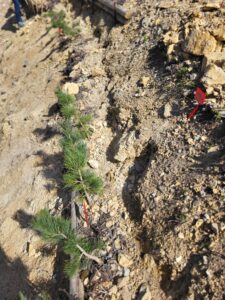
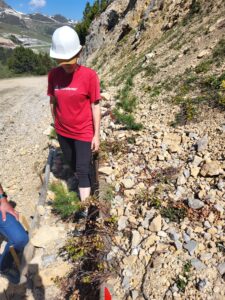
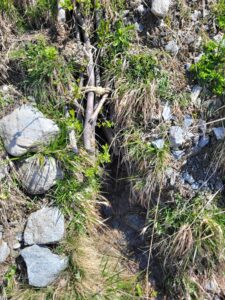
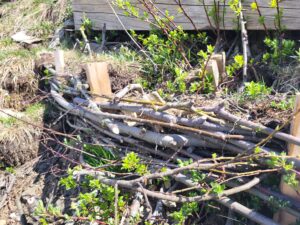
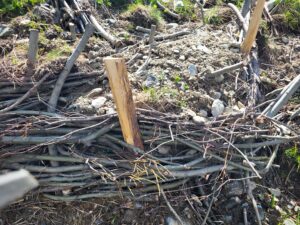
On May 26 and 27, members of the VIVALP living lab gathered to conduct the annual follow-up on their projects. We were eager to see if the young plants that had been planted or propagated from cuttings just before the first snowfall had survived the winter, which brought heavy snowfall to the region. We were therefore relieved to see the first signs of regrowth on the bearberries (the local ones, as those from the plains did not seem to have survived), buds on the alder cuttings and willow fascines, and small cones sprouting on the Swiss stone pines…. The structures appear to have withstood the avalanches and the passage of snow grooming machines.
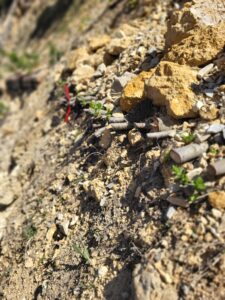
☘️ In Courchevel, we visited the Moriond slope to check on the progress of the restoration work on this slope, which is suffering from severe erosion. It was a relief to see that many of the cuttings and seedlings seem to have taken root well after the winter.
🥗 We then shared a friendly meal with the participants to continue our discussions.
📒 A seminar on ecosystem restoration, stakeholder engagement in changing practices, and a group exercise in forecasting the future of the NbS.
🔰We concluded the day with a steering committee meeting that brought together representatives from the various stakeholders involved in VIVALP to discuss the living lab’s strategic direction and how to communicate our findings to the general public.
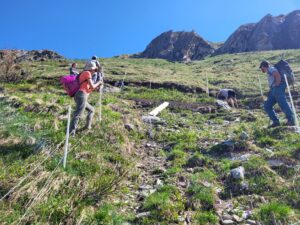
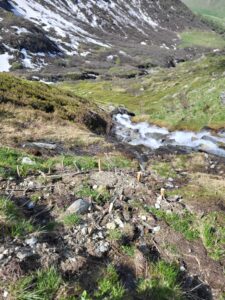
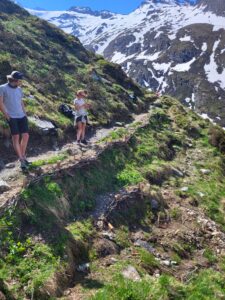
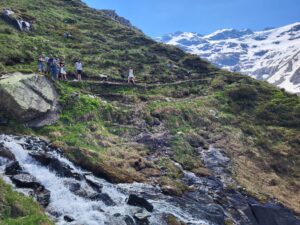
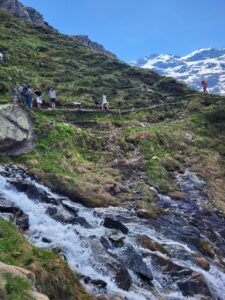
🏔️ The next day, a visit to Vanoise National Park with park rangers to check on the progress of the Génépy Trail construction projects for 2024 and 2025.
A public presentation is scheduled for this fall in Moutiers: stay tuned…
More news