A Look Back at the “Mangroves, Biodiversity, and Coasts” Days
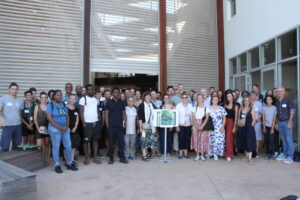
On November 4, 5, and 6, the “Mangroves, Biodiversity, and Coasts” days were held, a major event organized by the MAGELLAN Living Lab and the Coastal and Marine Research Infrastructure (IR ILICO) to strengthen research synergies in French Guiana.
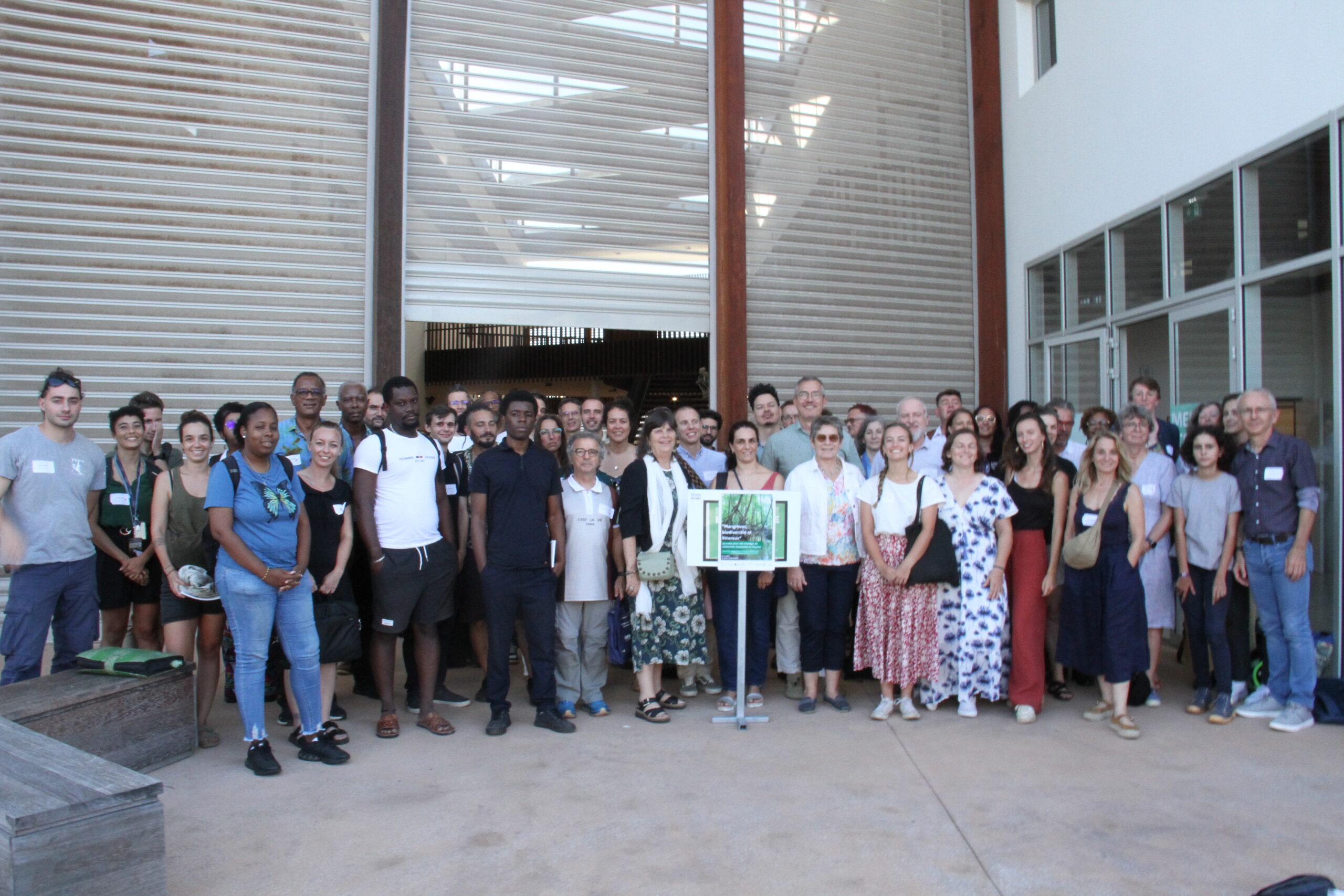
Over the course of three days, researchers, managers, institutions, organizations, and policymakers from French Guiana, mainland France, and Germany came together for lectures, hands-on workshops, and field trips to collaboratively develop Nature-Based Solutions tailored to the socio-environmental challenges facing the French Guiana coastline.
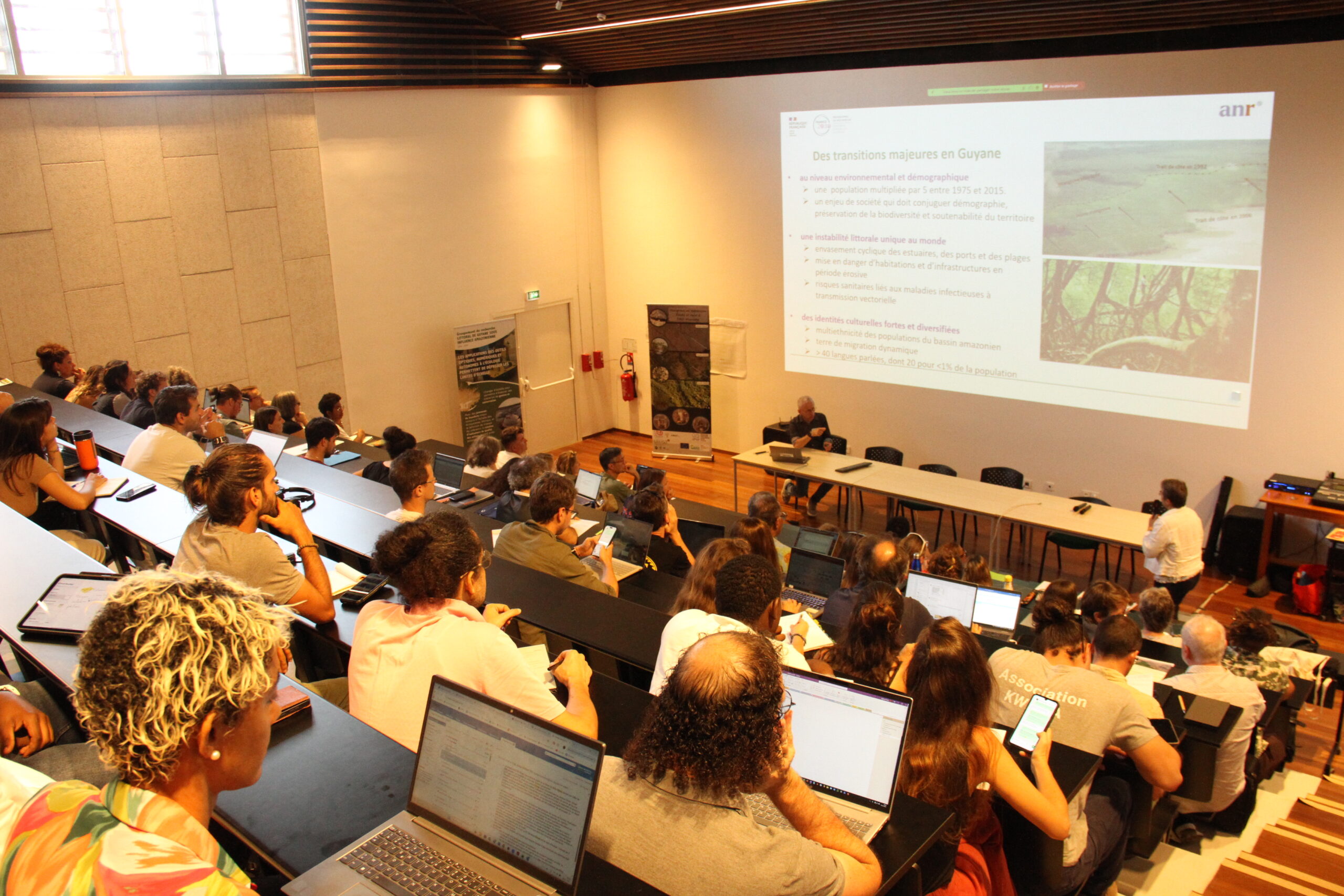
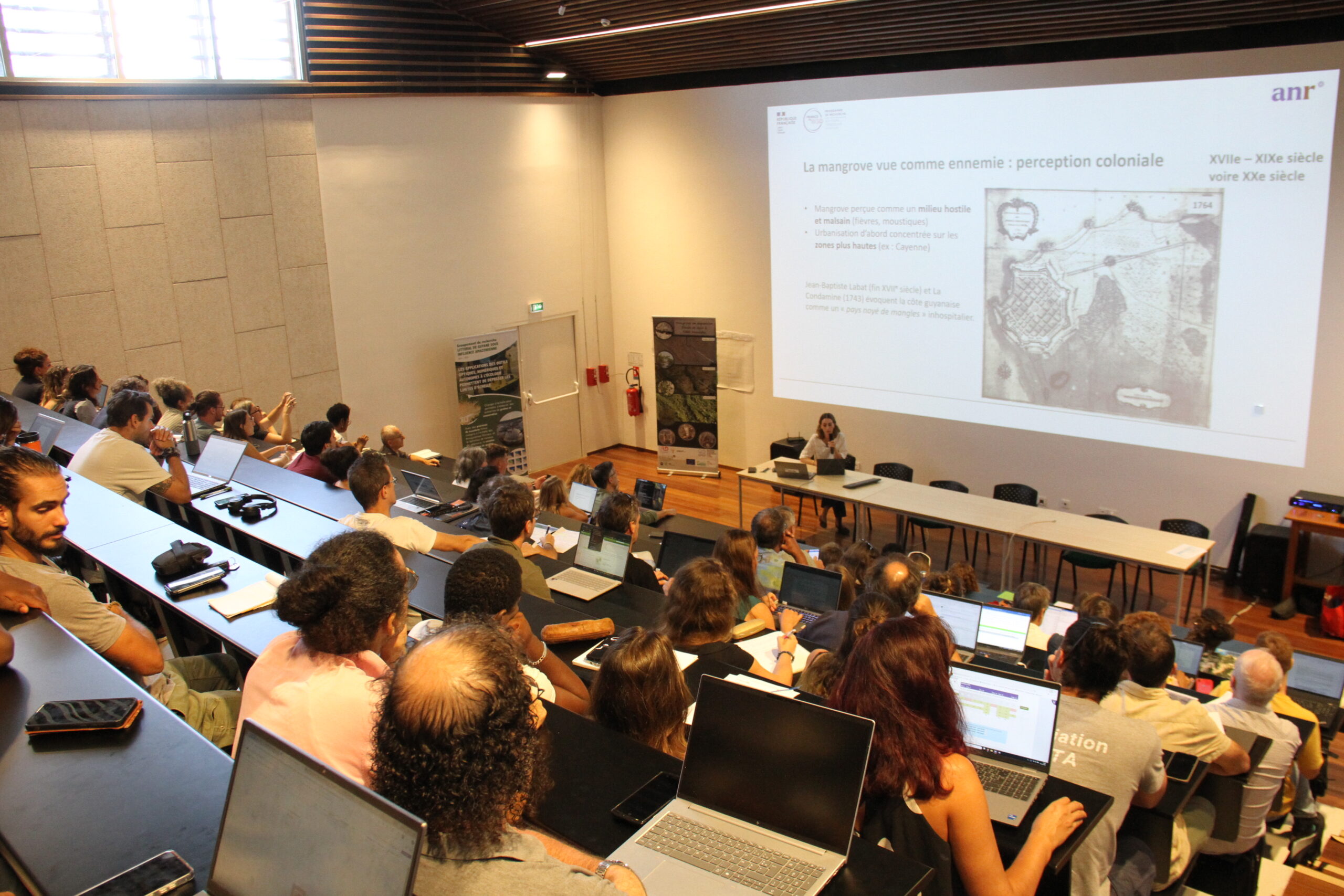
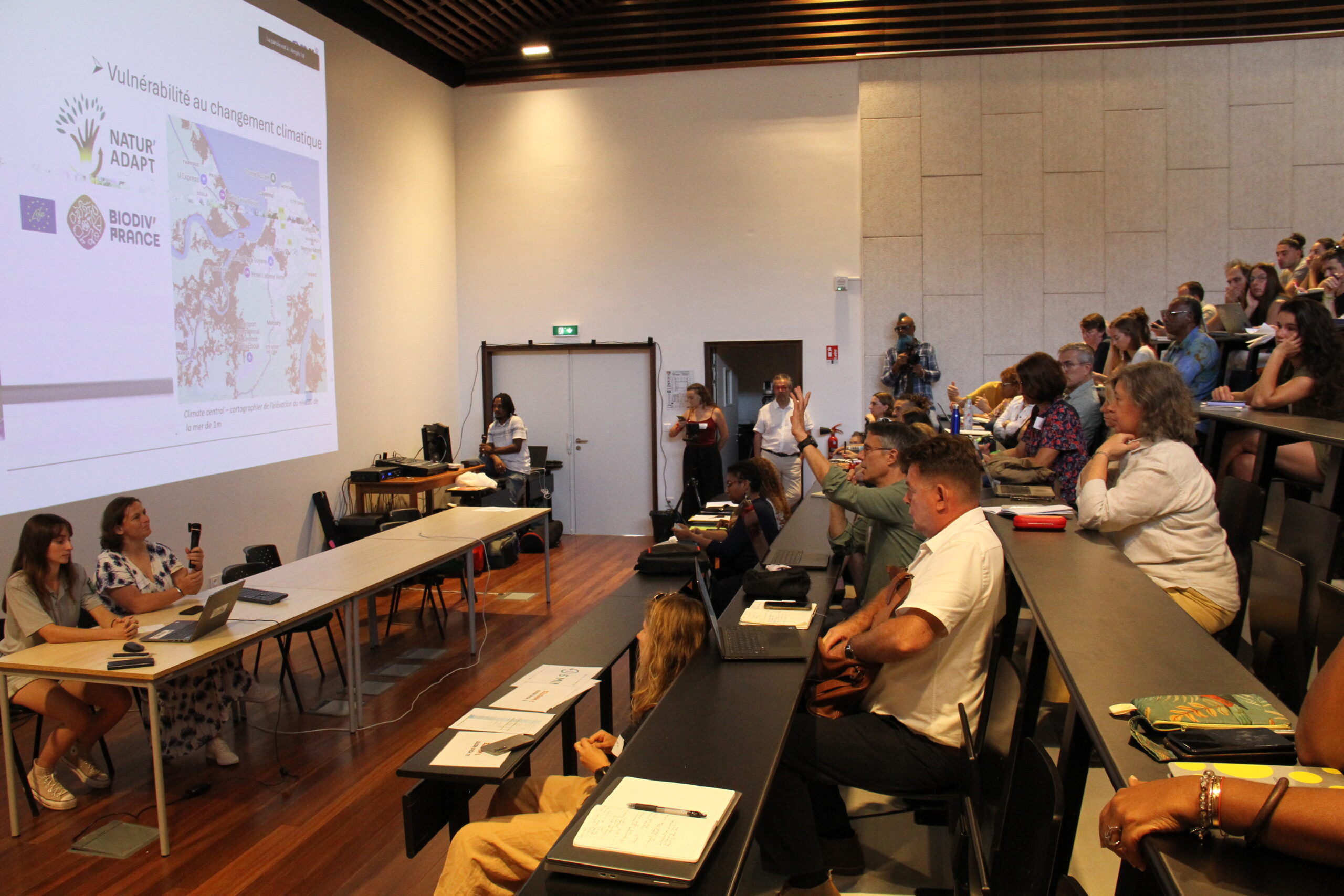
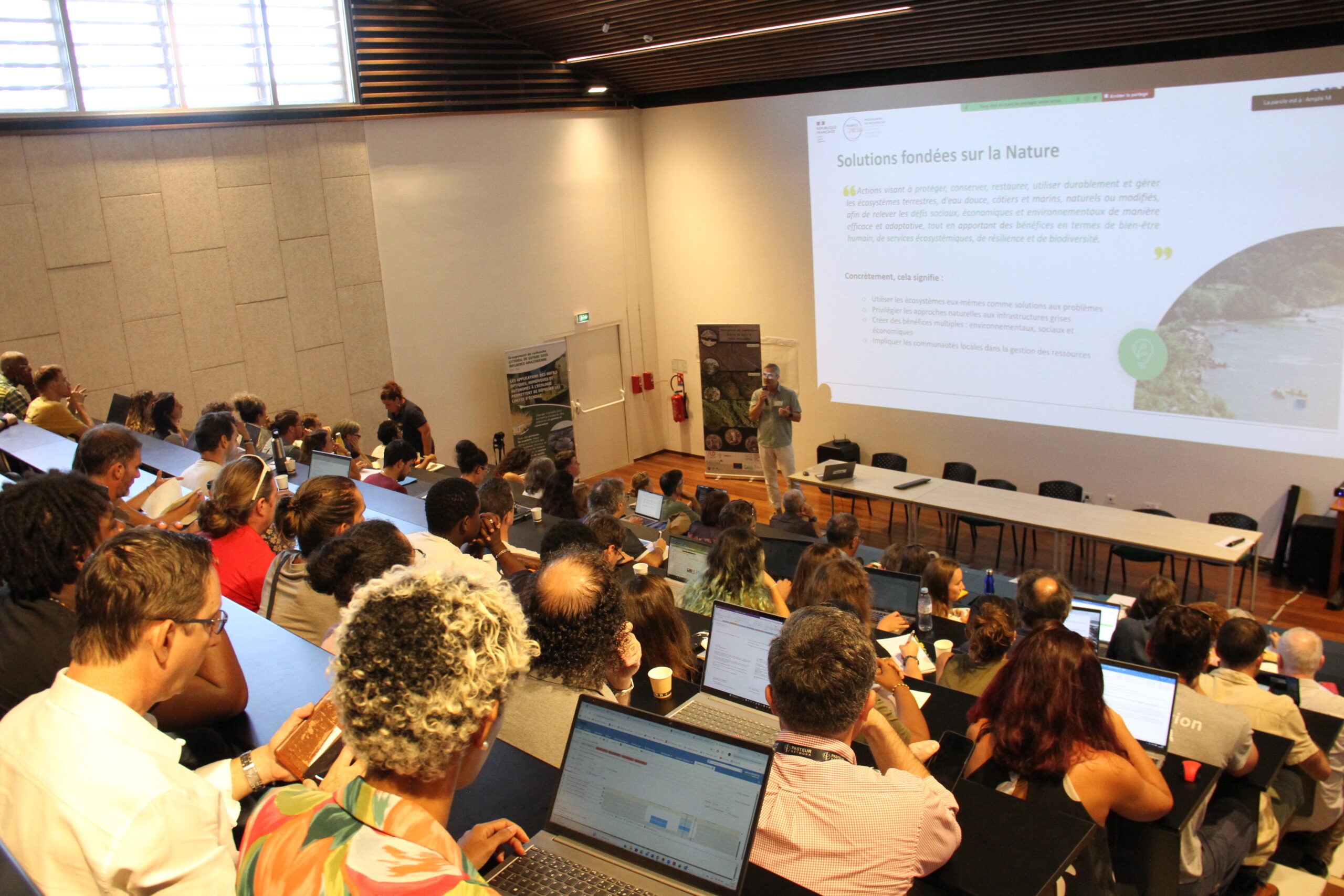
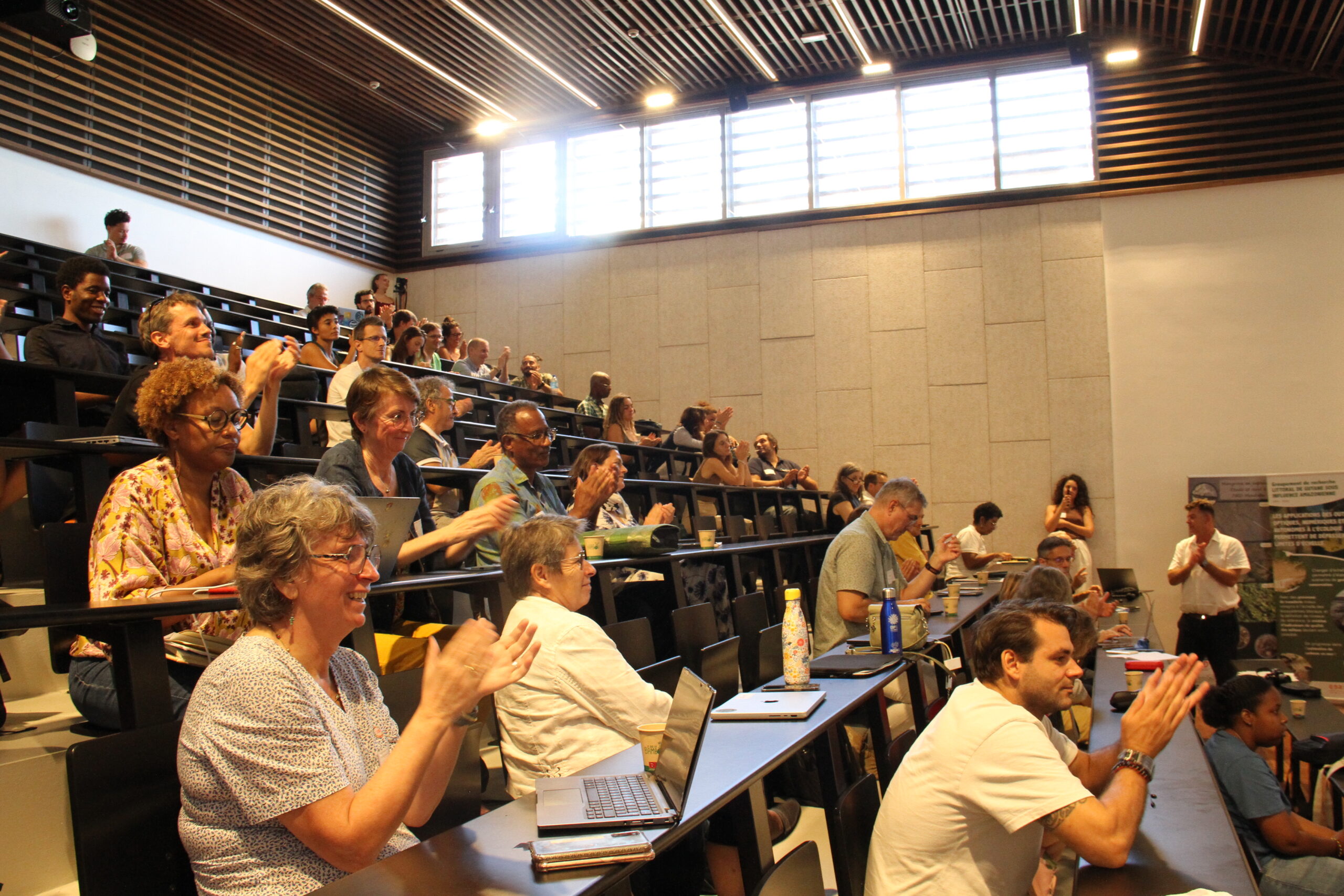
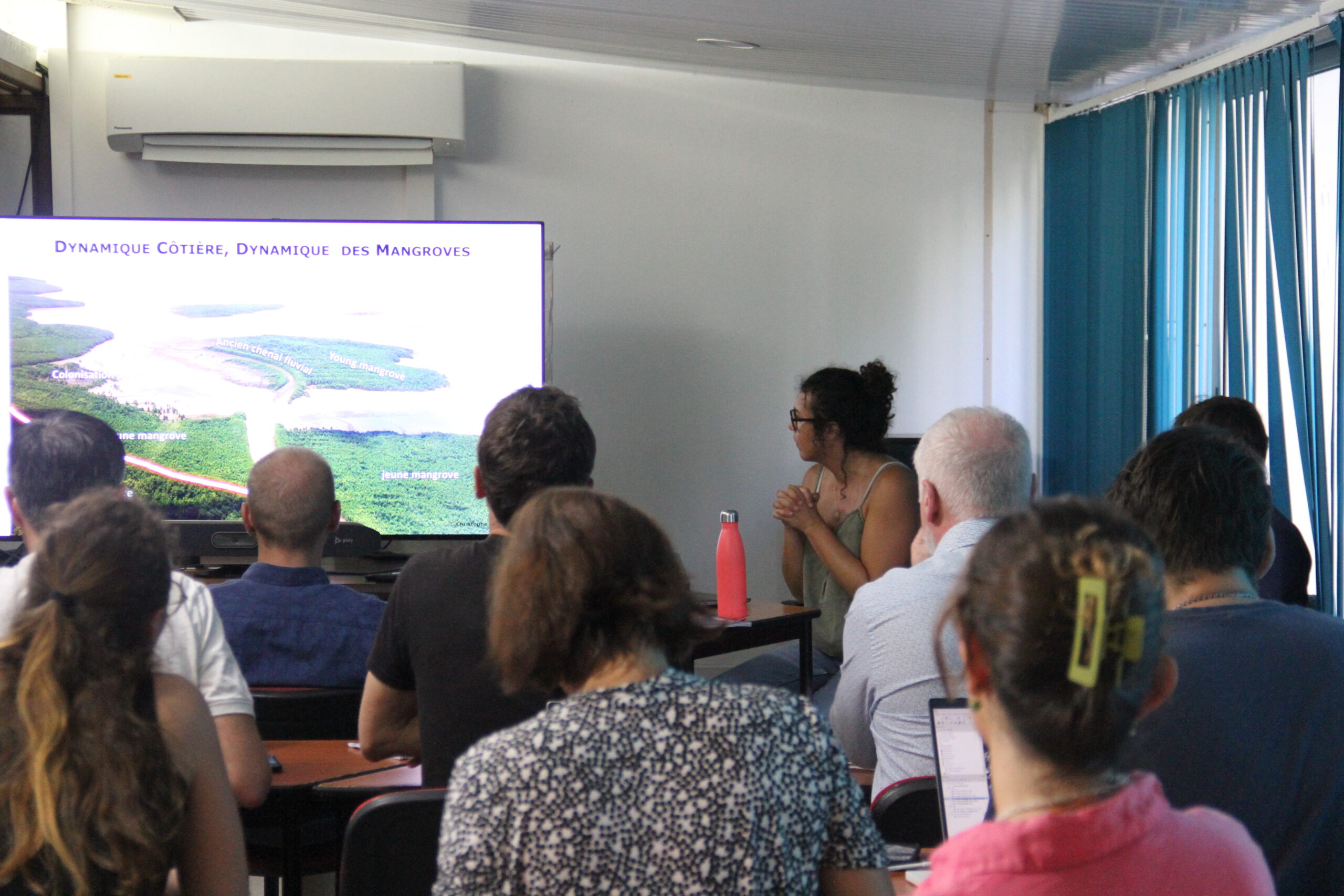
The first day, held on November 4 at the University of French Guiana, provided an opportunity to present the challenges and work of the various stakeholders collaborating with the Living Lab on French Guiana’s mangroves, to review the first year of the MAGELLAN Living Lab, and to engage in discussions with the SOLU-BIOD research program regarding Nature-based Solutions, followed by a collective co-creation session aimed at defining the program’s next steps.
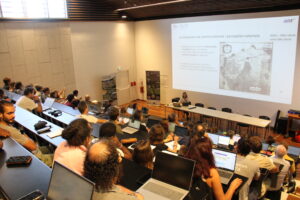
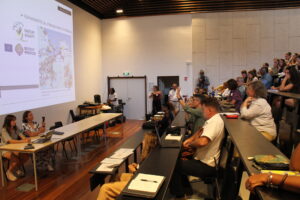
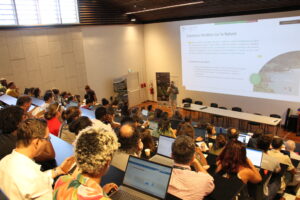
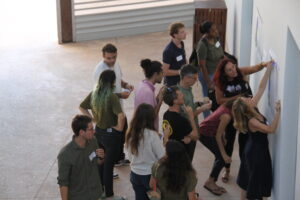
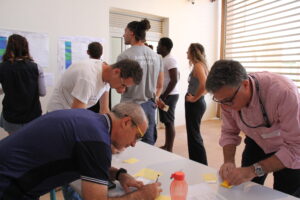
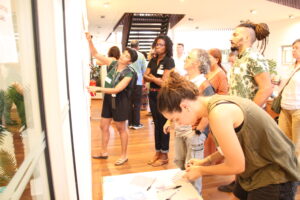

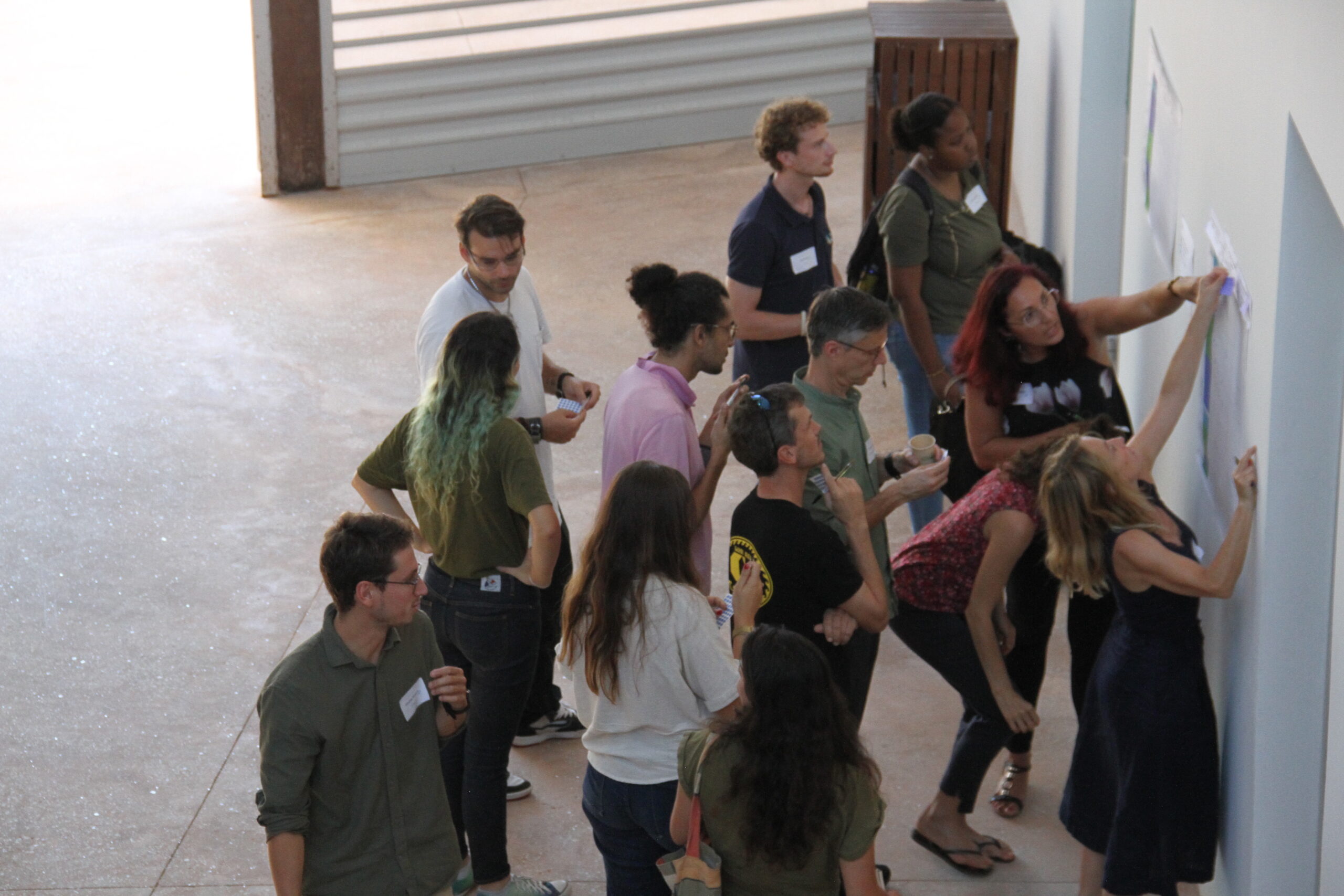
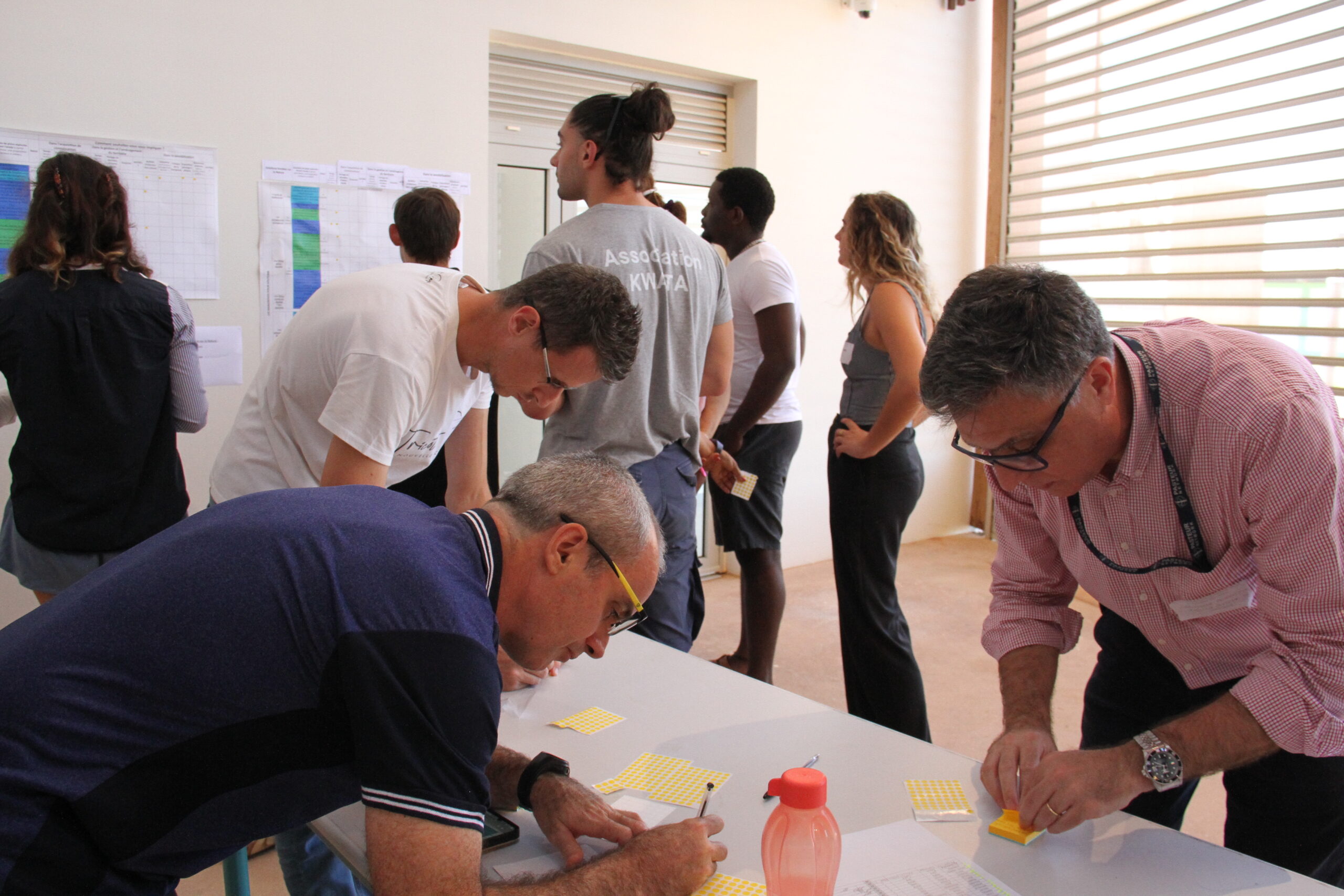
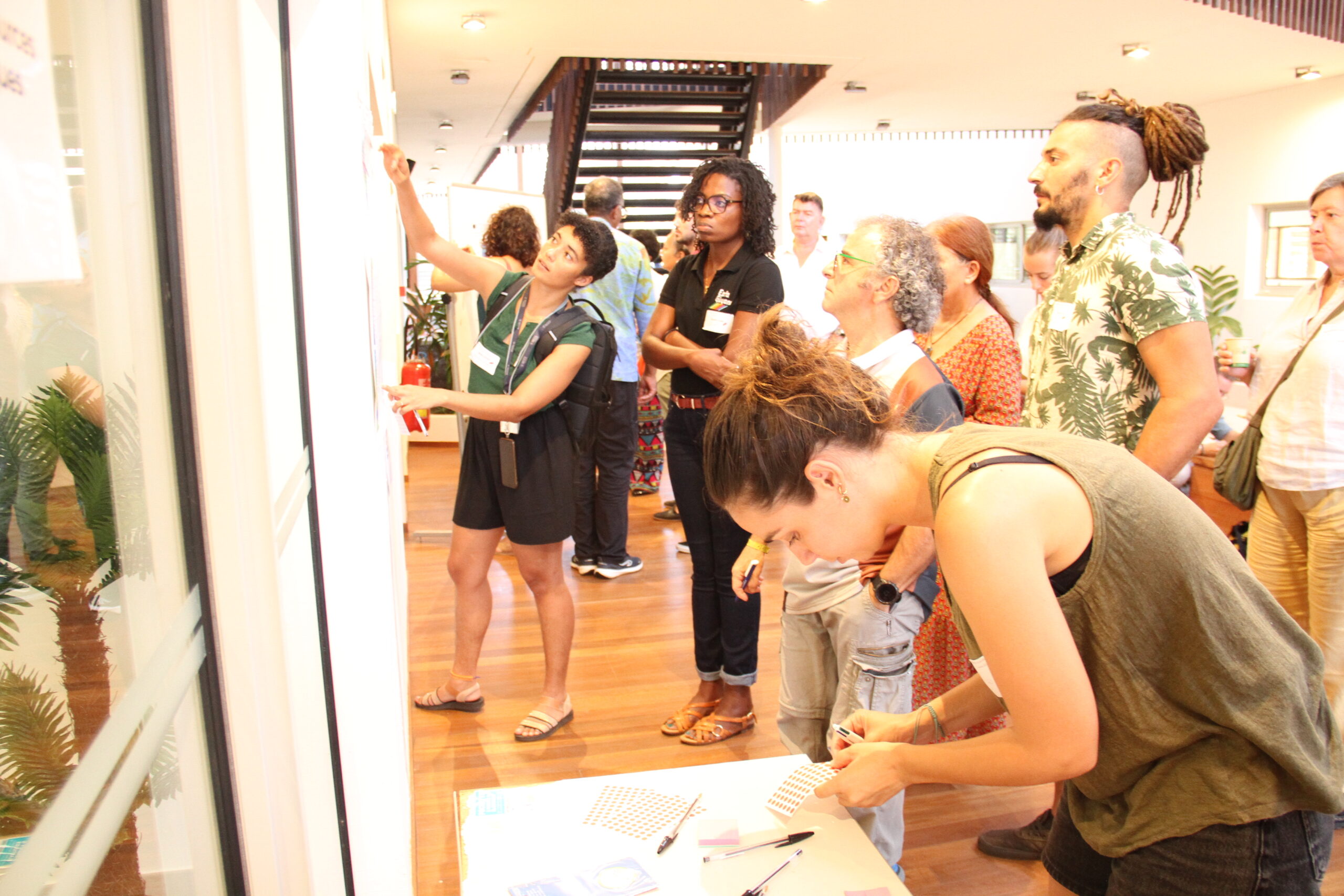
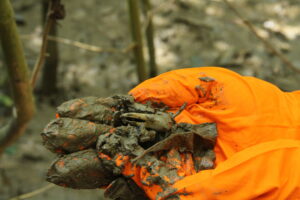
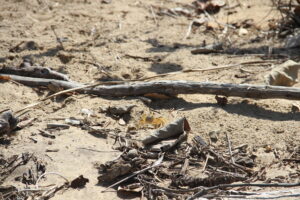
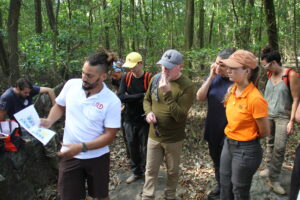
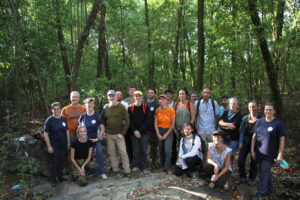
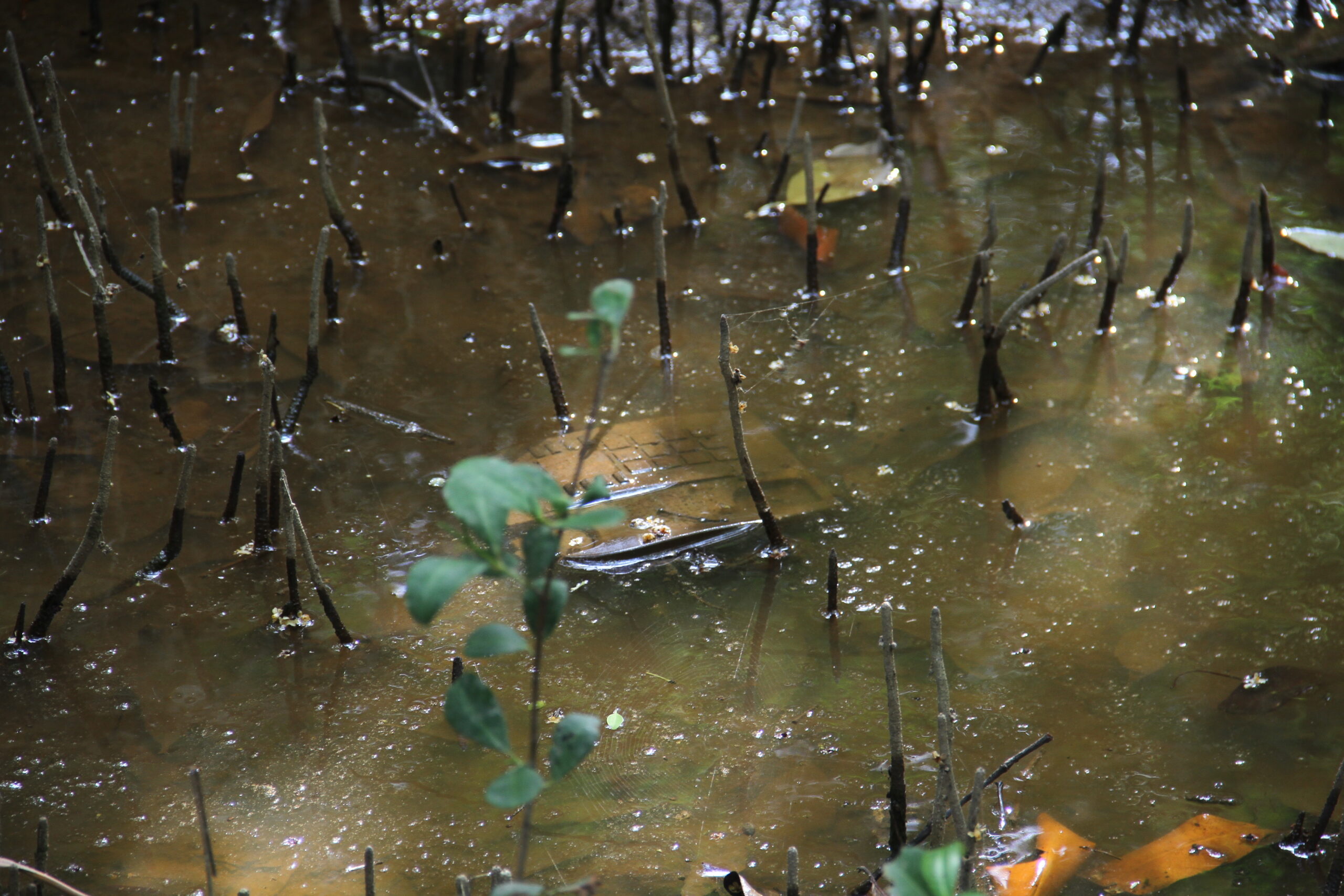
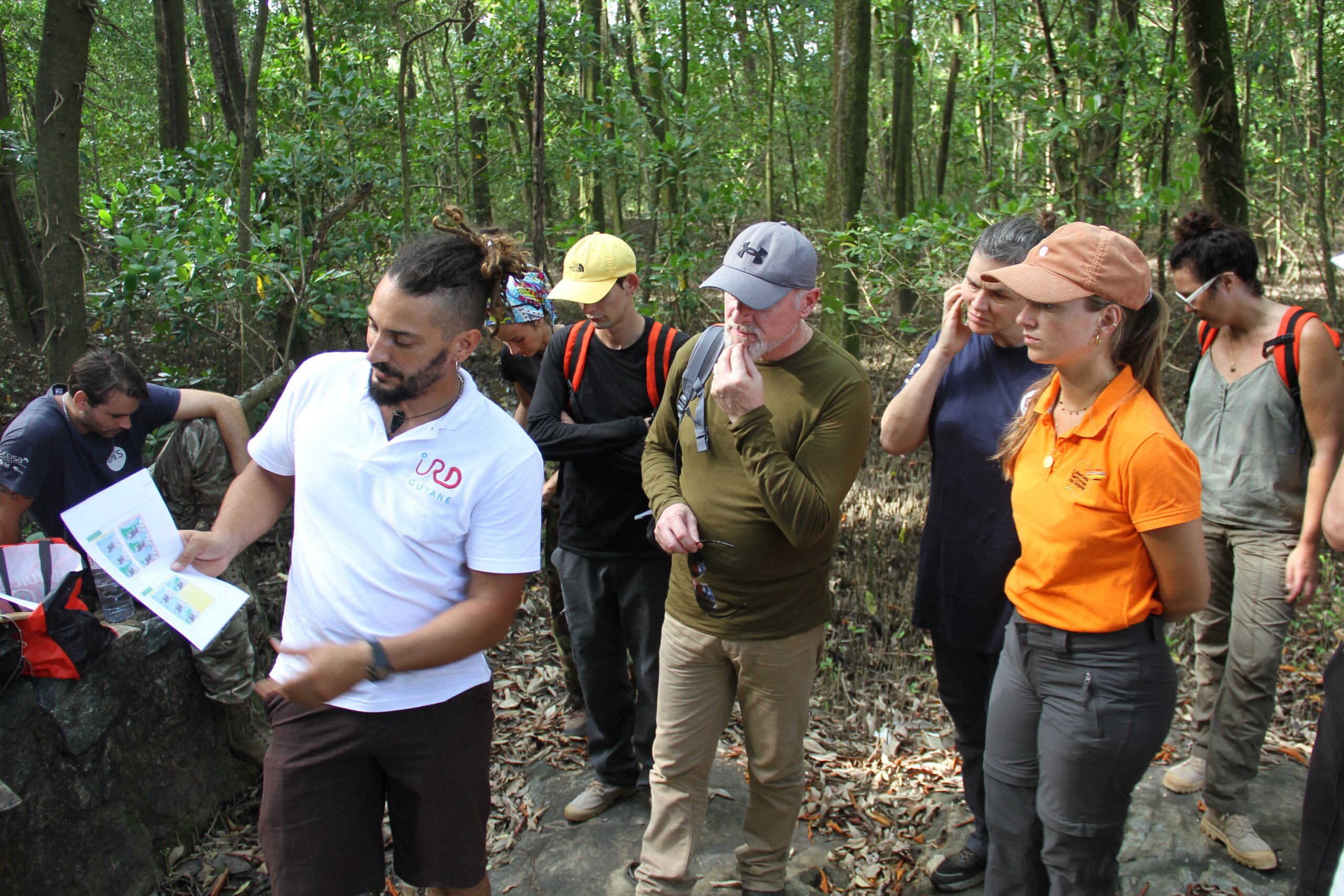
On November 5, the IRD hosted the second day of the event, which featured workshops exploring the diversity of benthic crabs—including a short workshop in the mangrove forest—an introduction to environmental DNA and observational data management, as well as a presentation on Nature-based Solutions indicators. The day concluded with a canoe trip through the Montsinéry-Tonnegrande mangrove forest, a special opportunity for discussion and observation until nightfall.
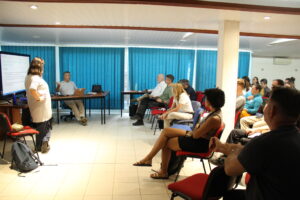
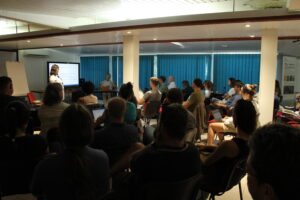
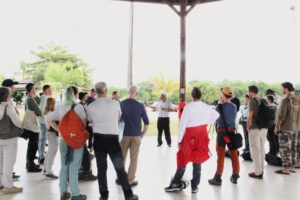
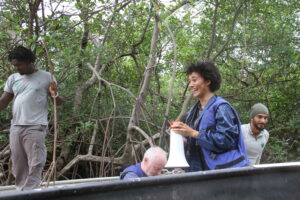
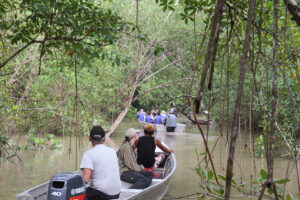

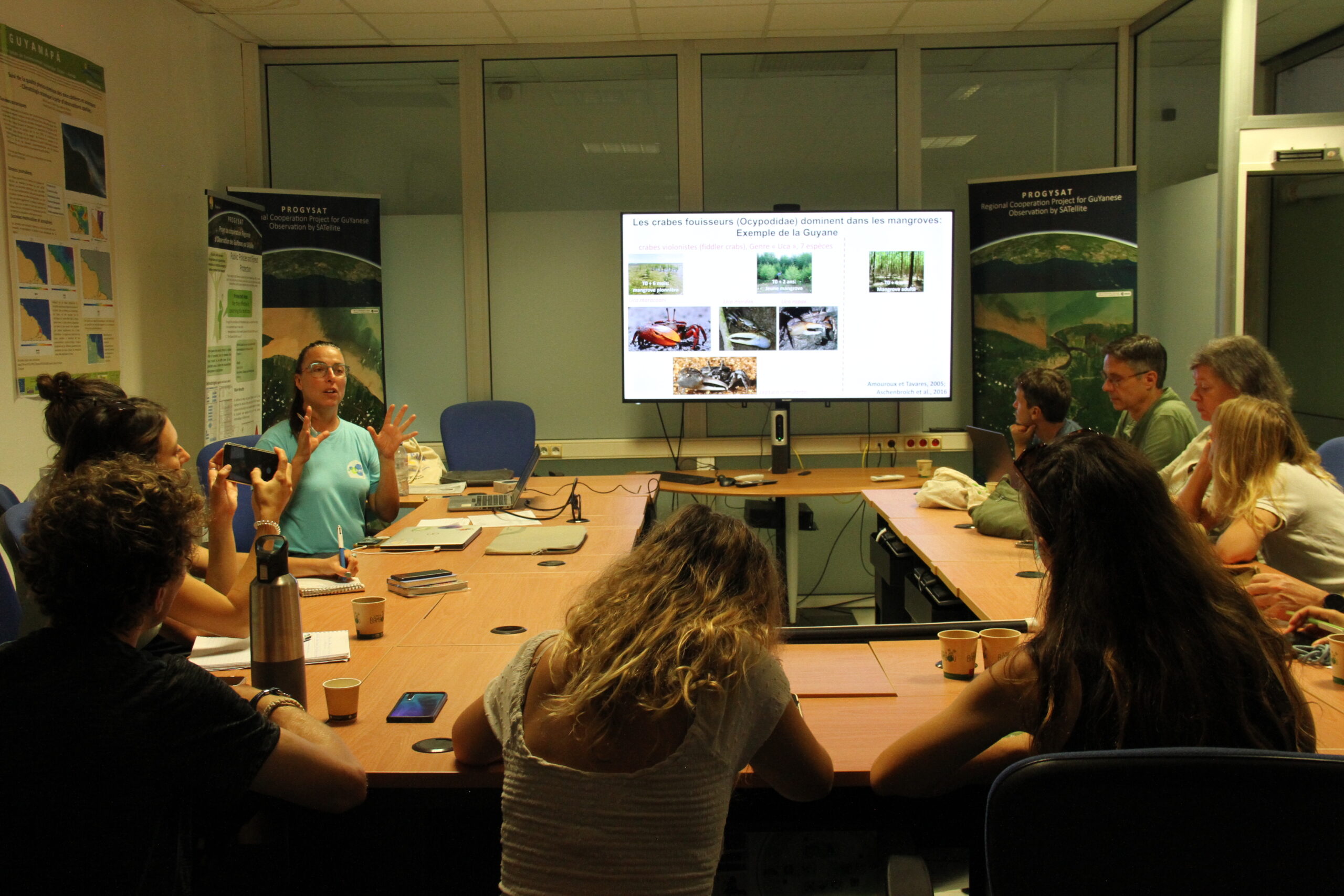
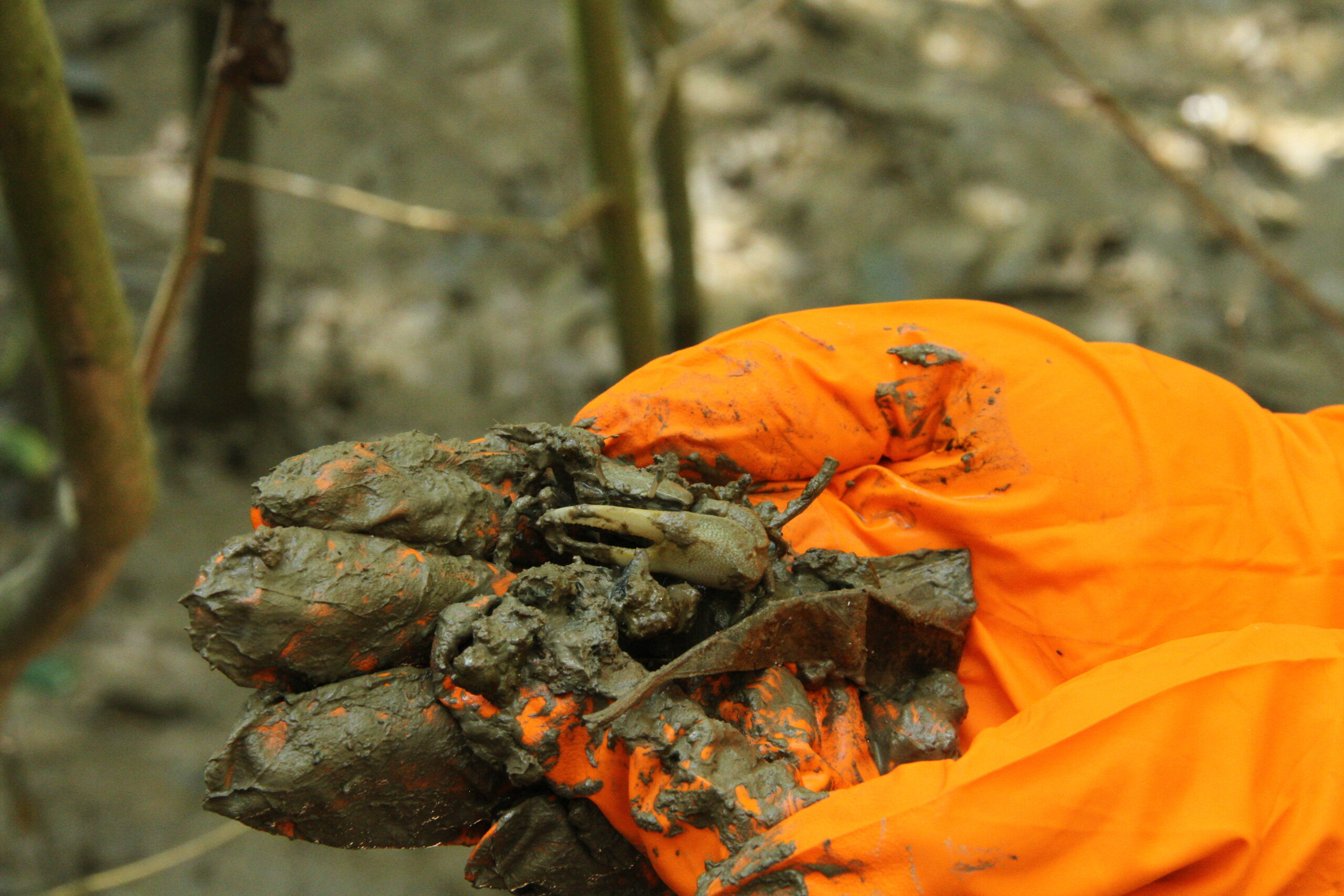

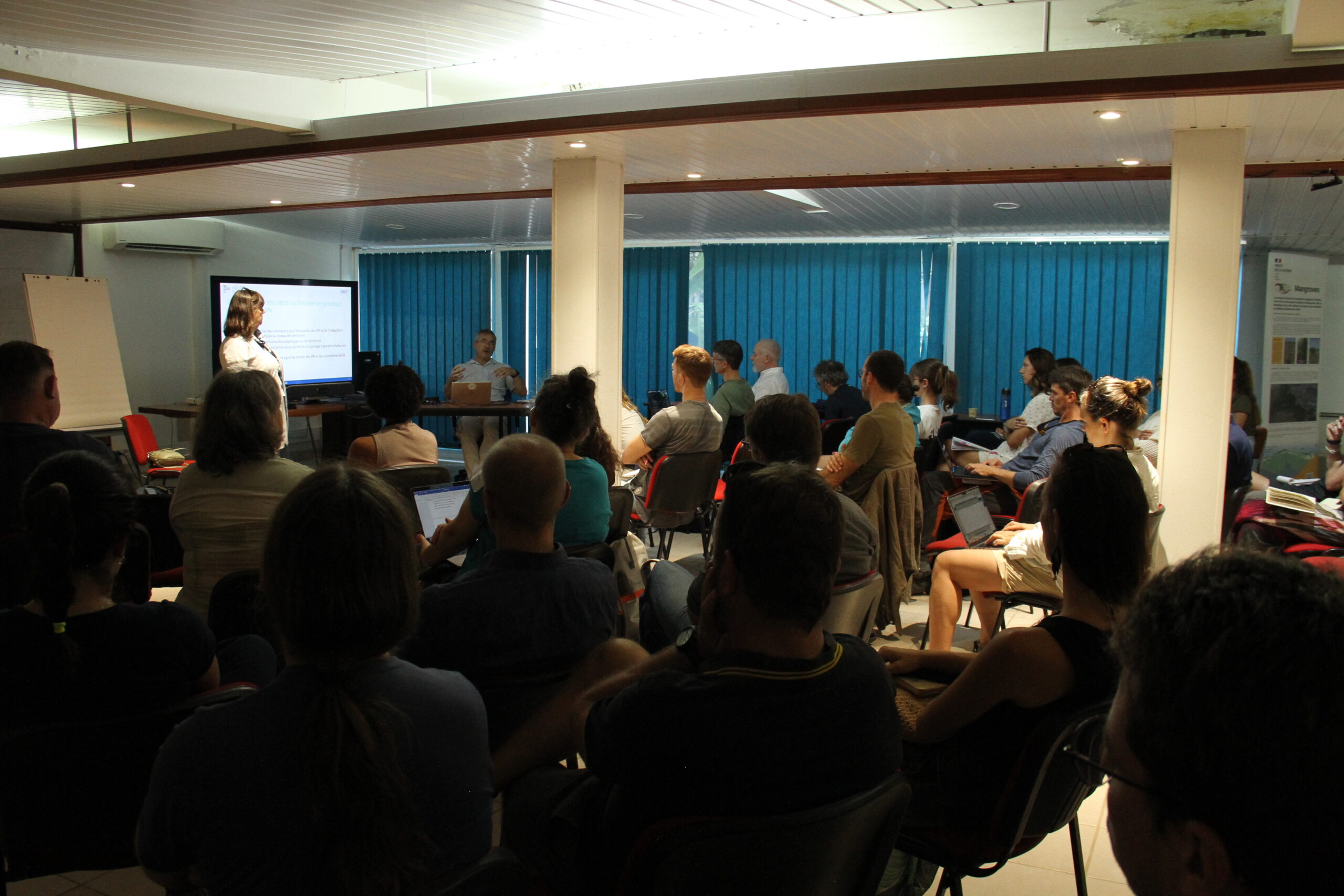
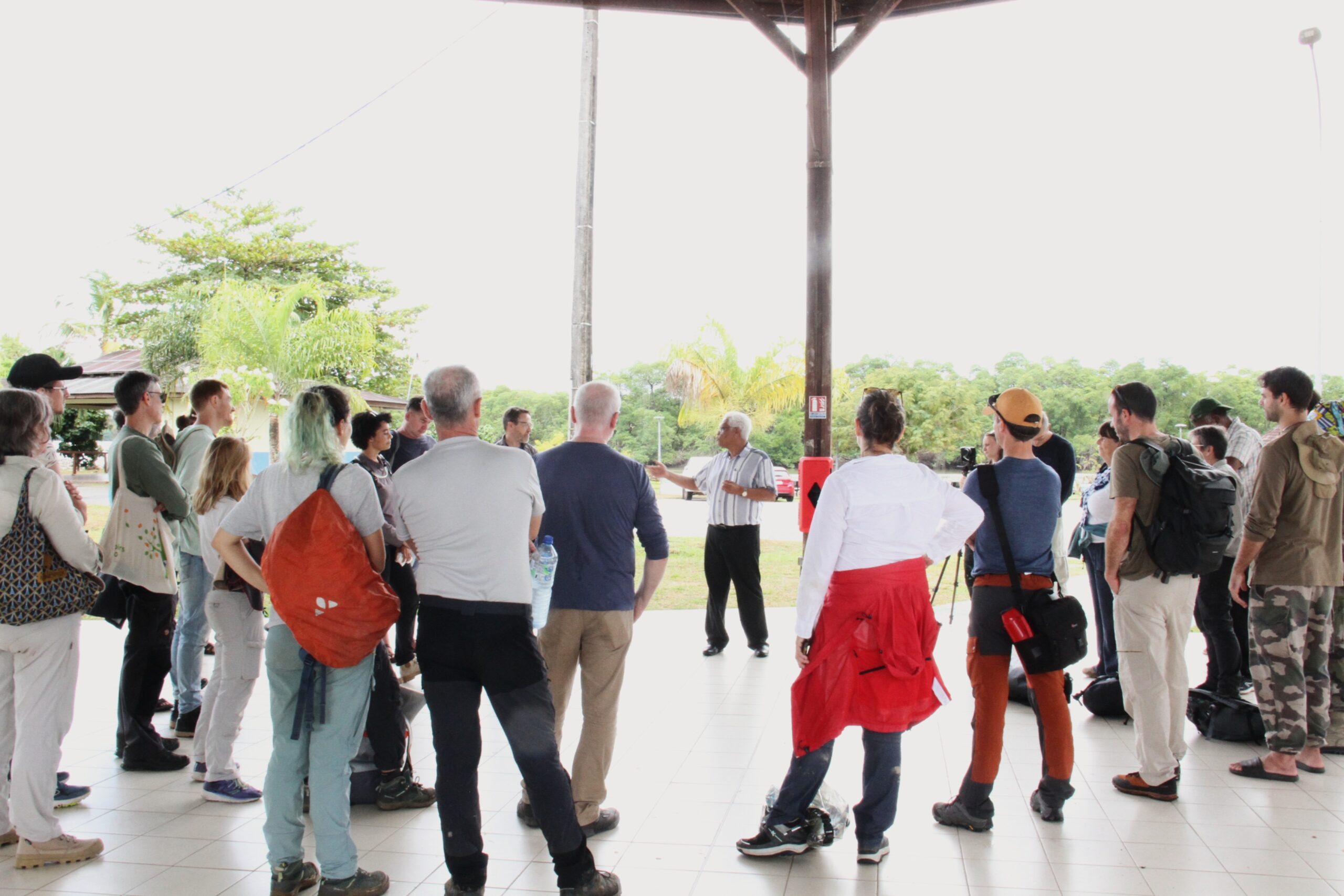
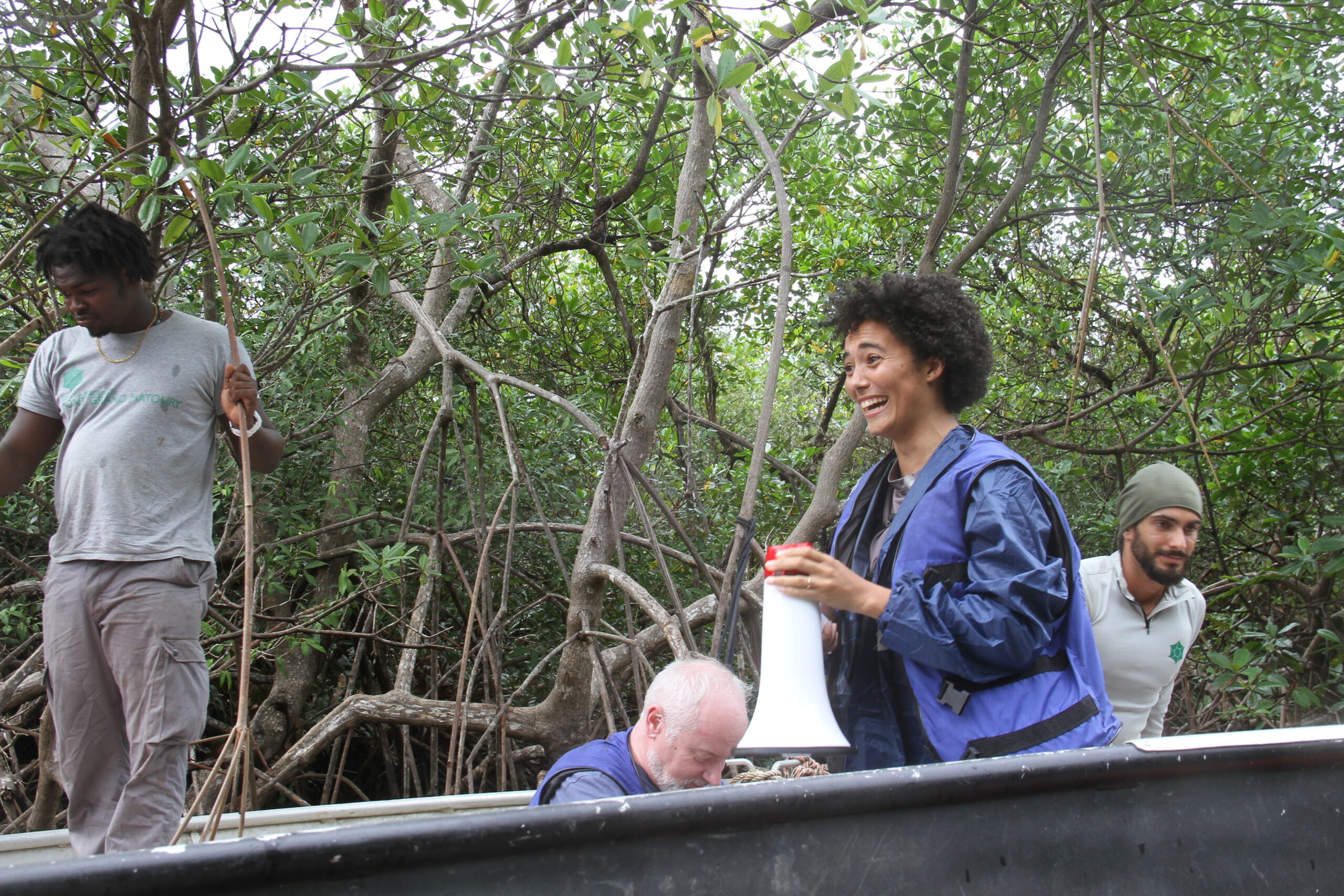
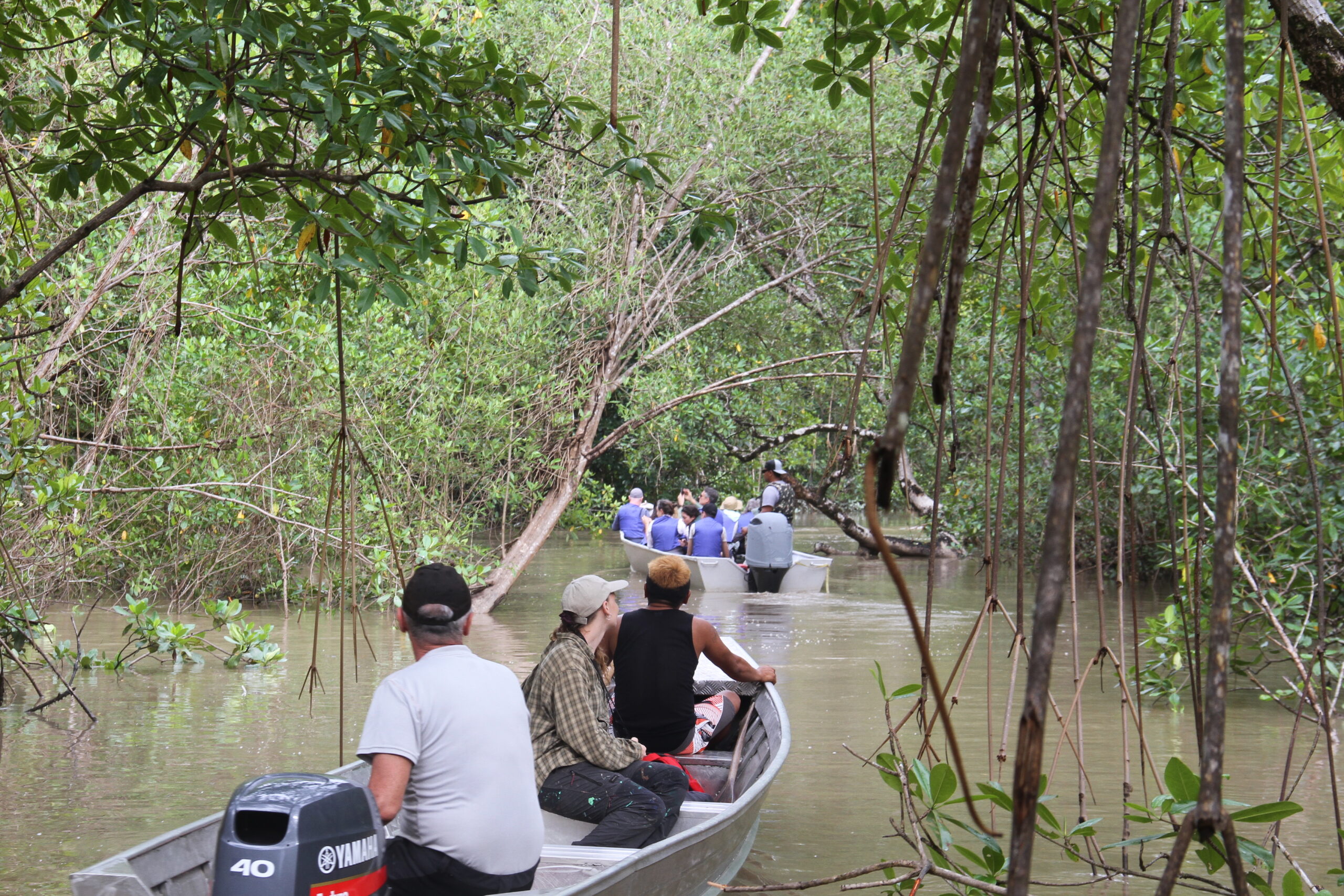
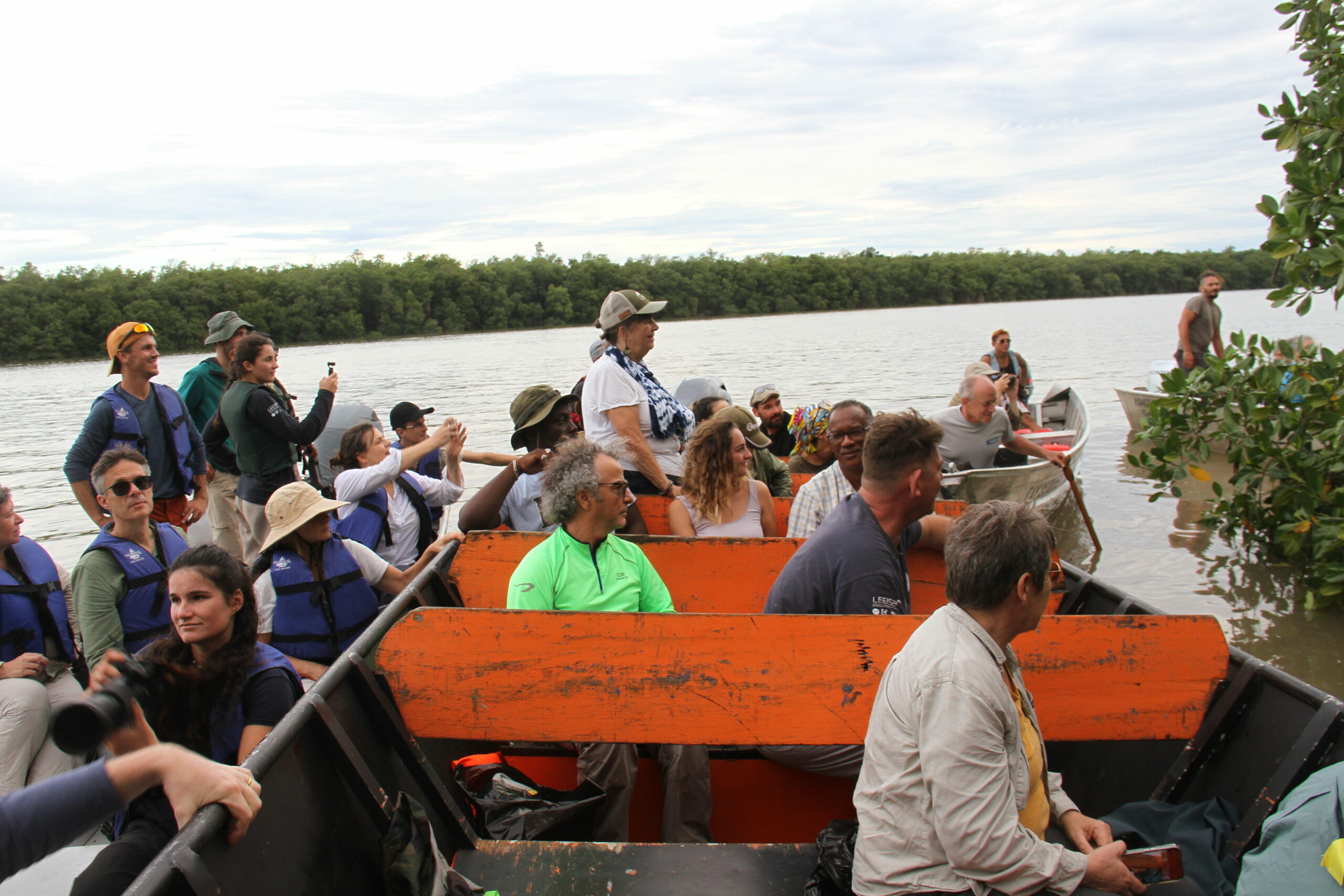
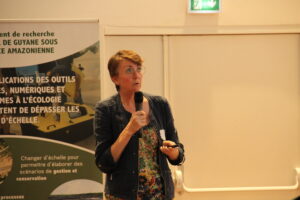
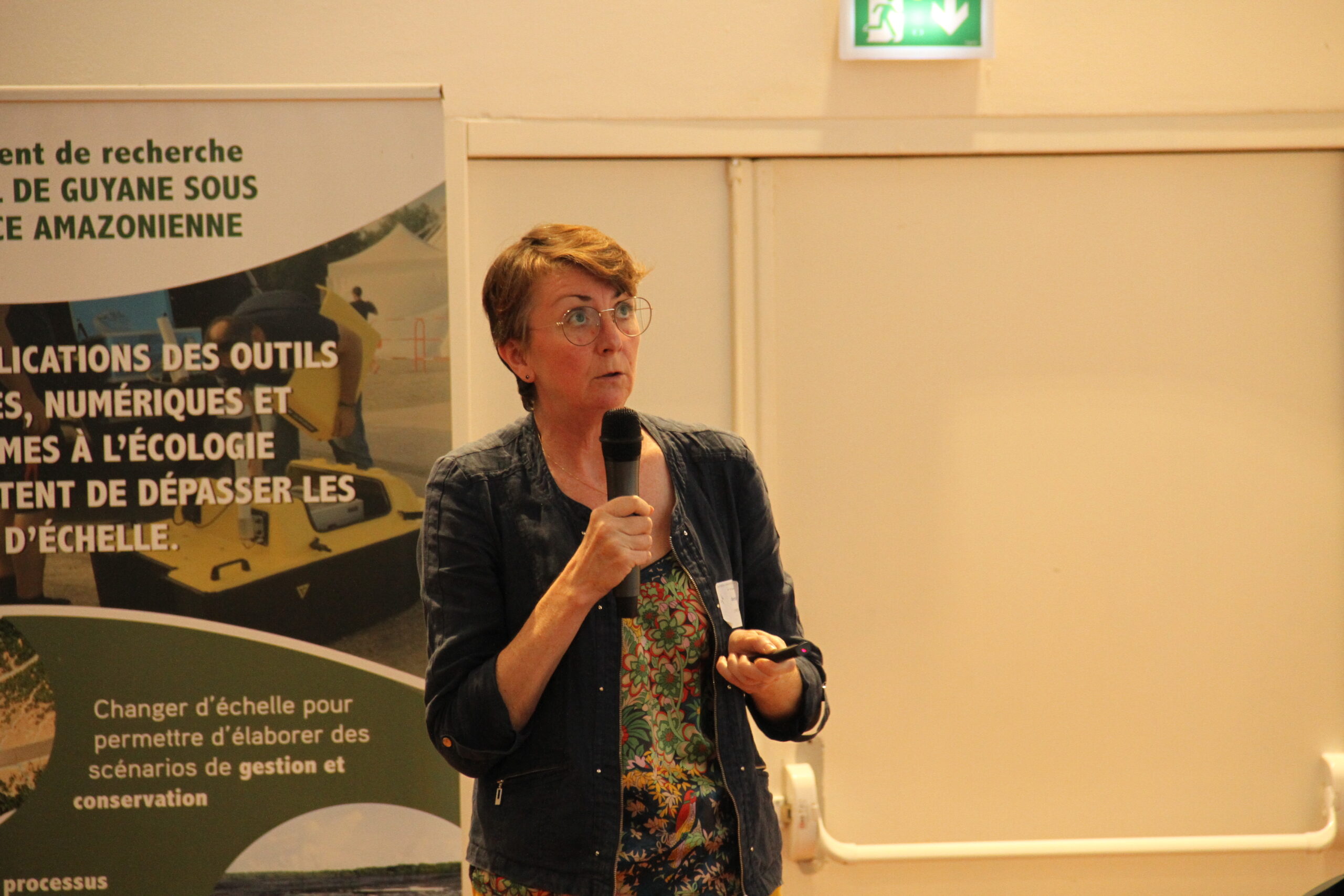
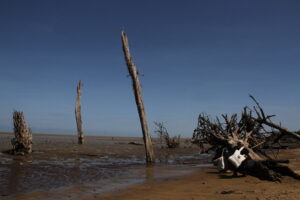
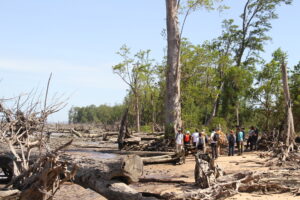
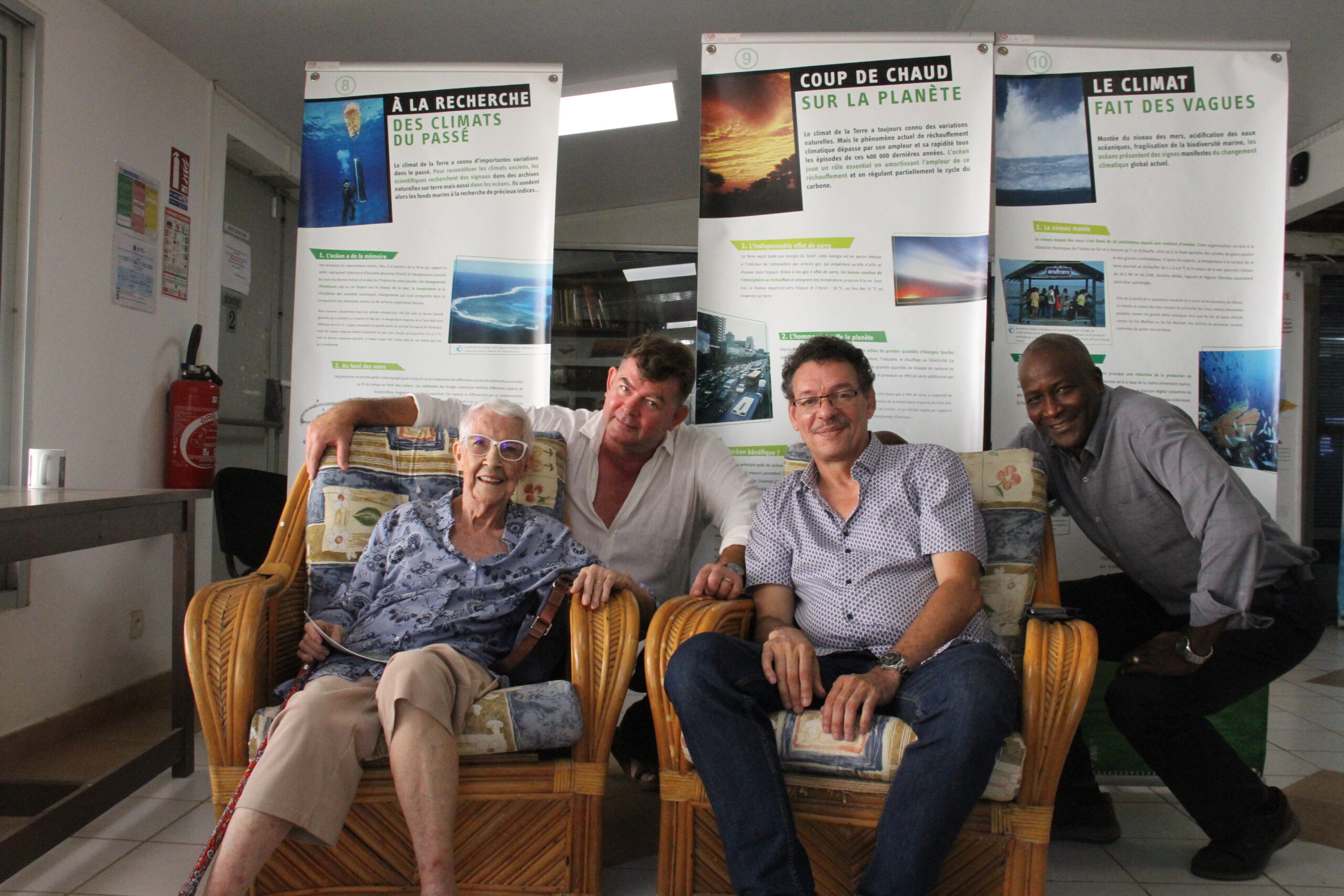
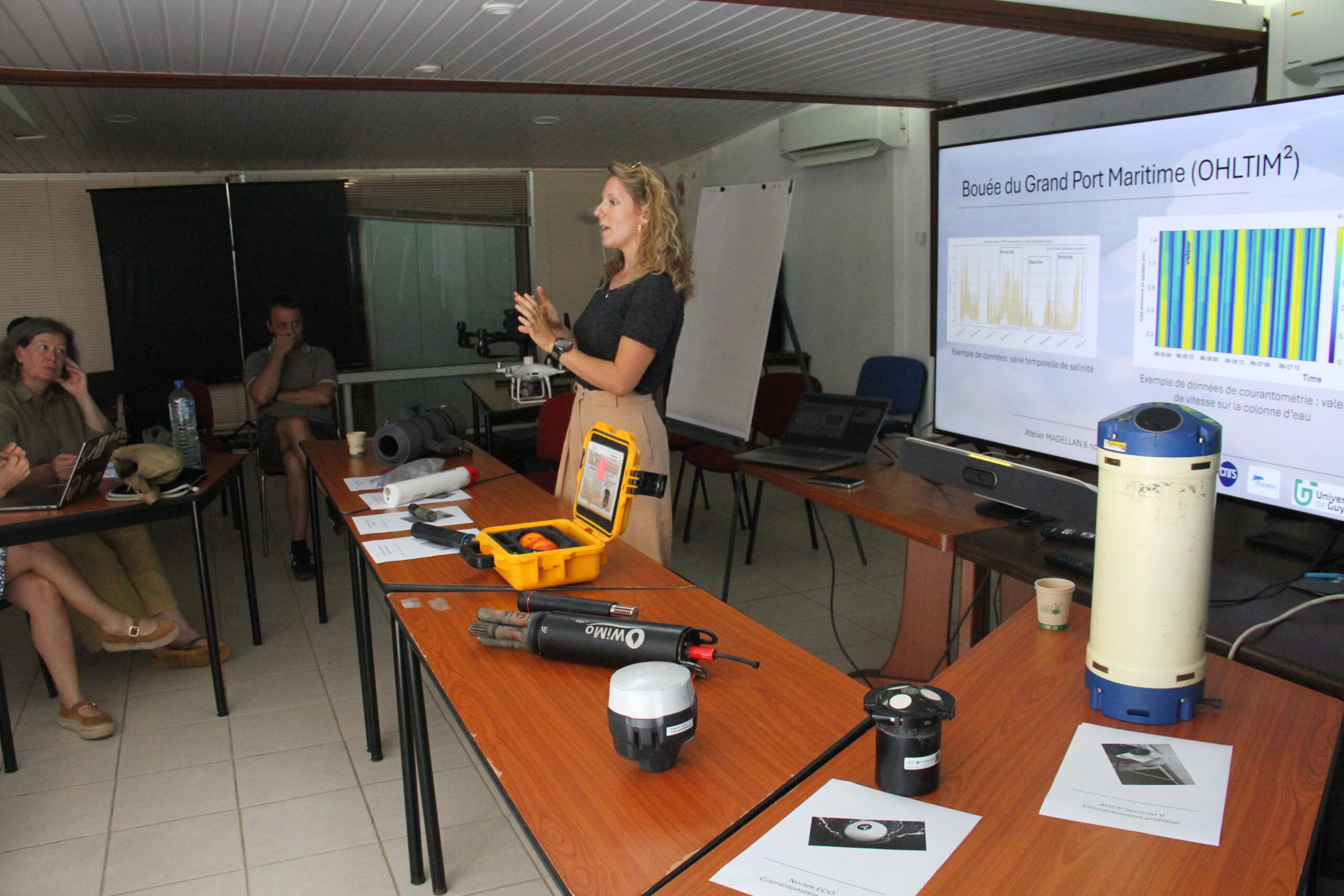
The final day, also held at the IRD’s offices, was devoted to environmental measurement methods, utilizing spatial data, very high-resolution satellite imagery, drones, and sensors. Participants had the opportunity to welcome Marie-Thérèse Prost, a leading figure in research on the Guyanese and Brazilian coasts, before heading out into the field to explore the Kamuyeneh and Poudrière mangroves, two key sites for understanding the dynamics of these ecosystems.
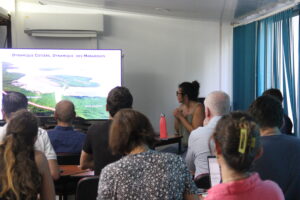
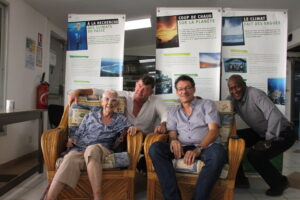
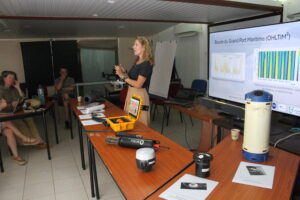
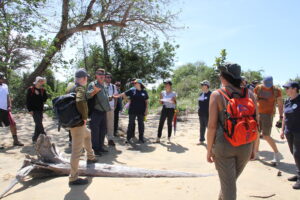

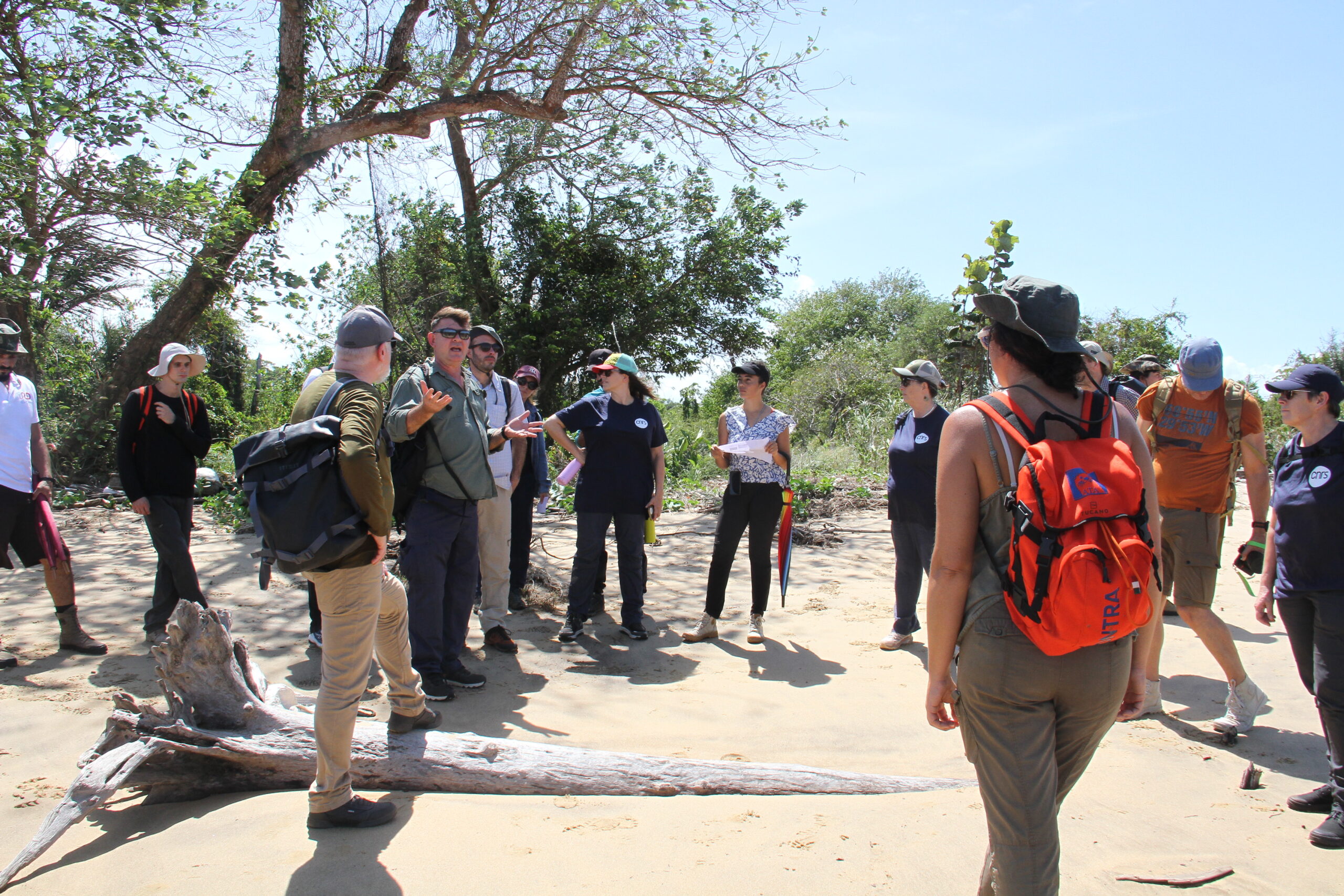
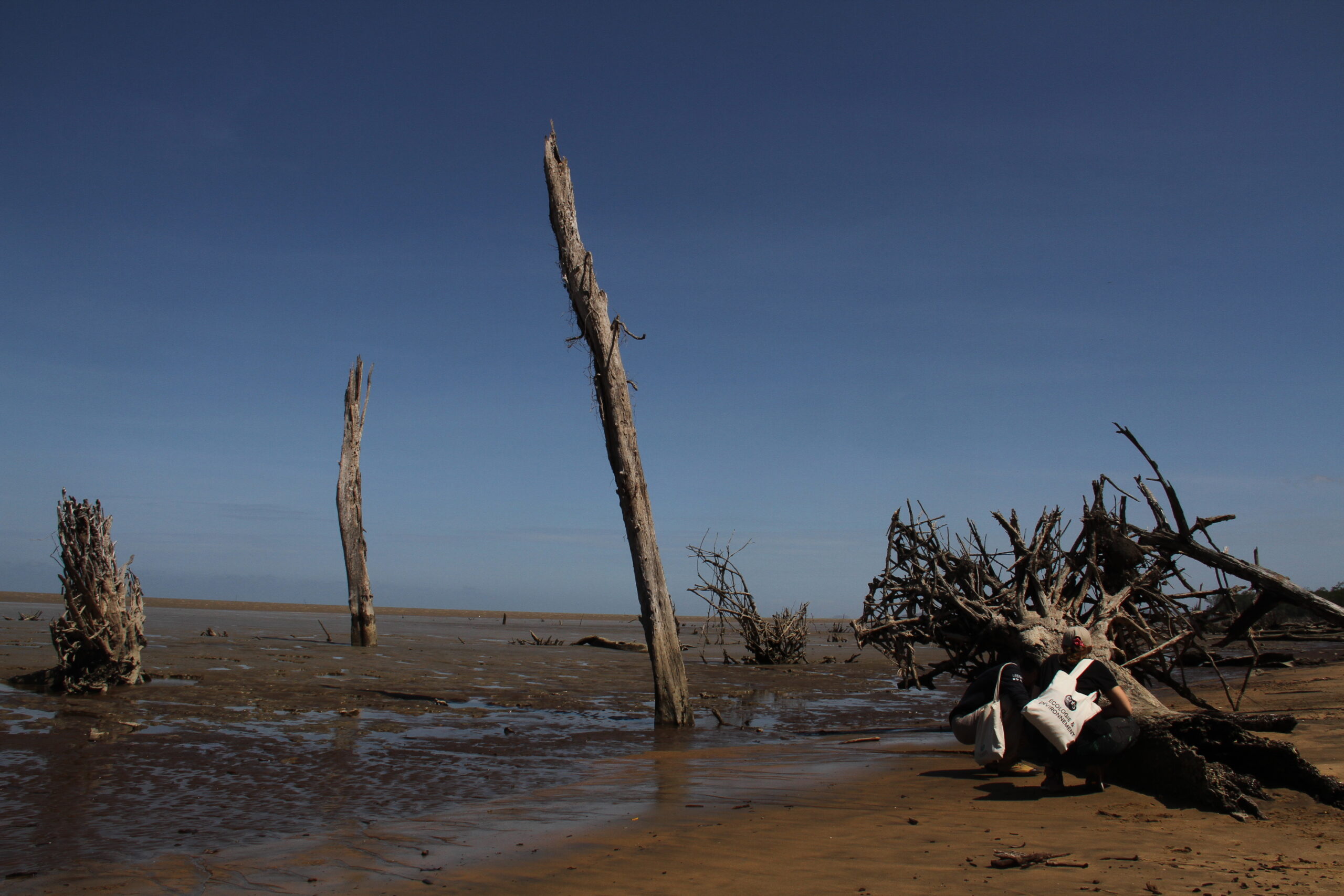
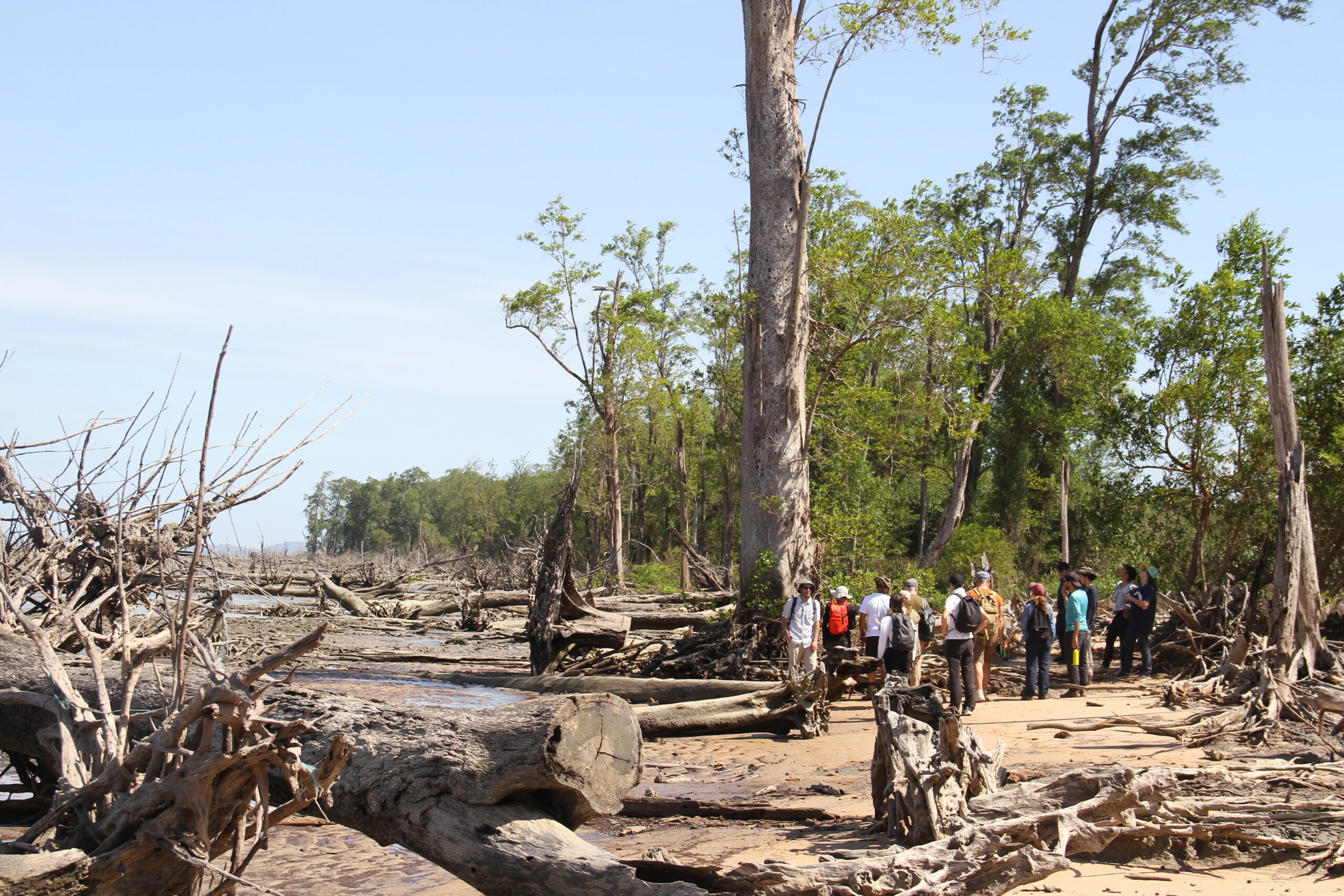
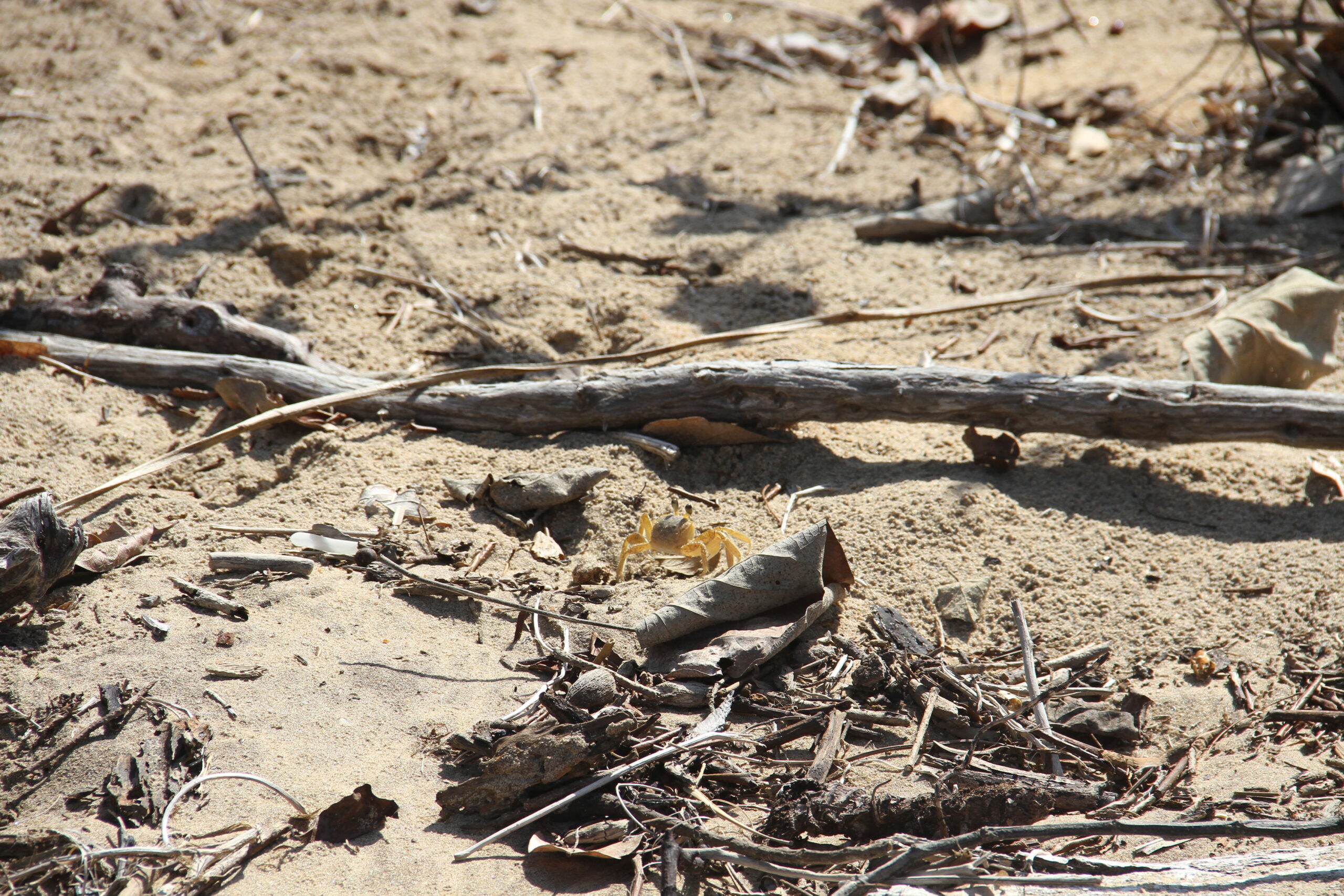
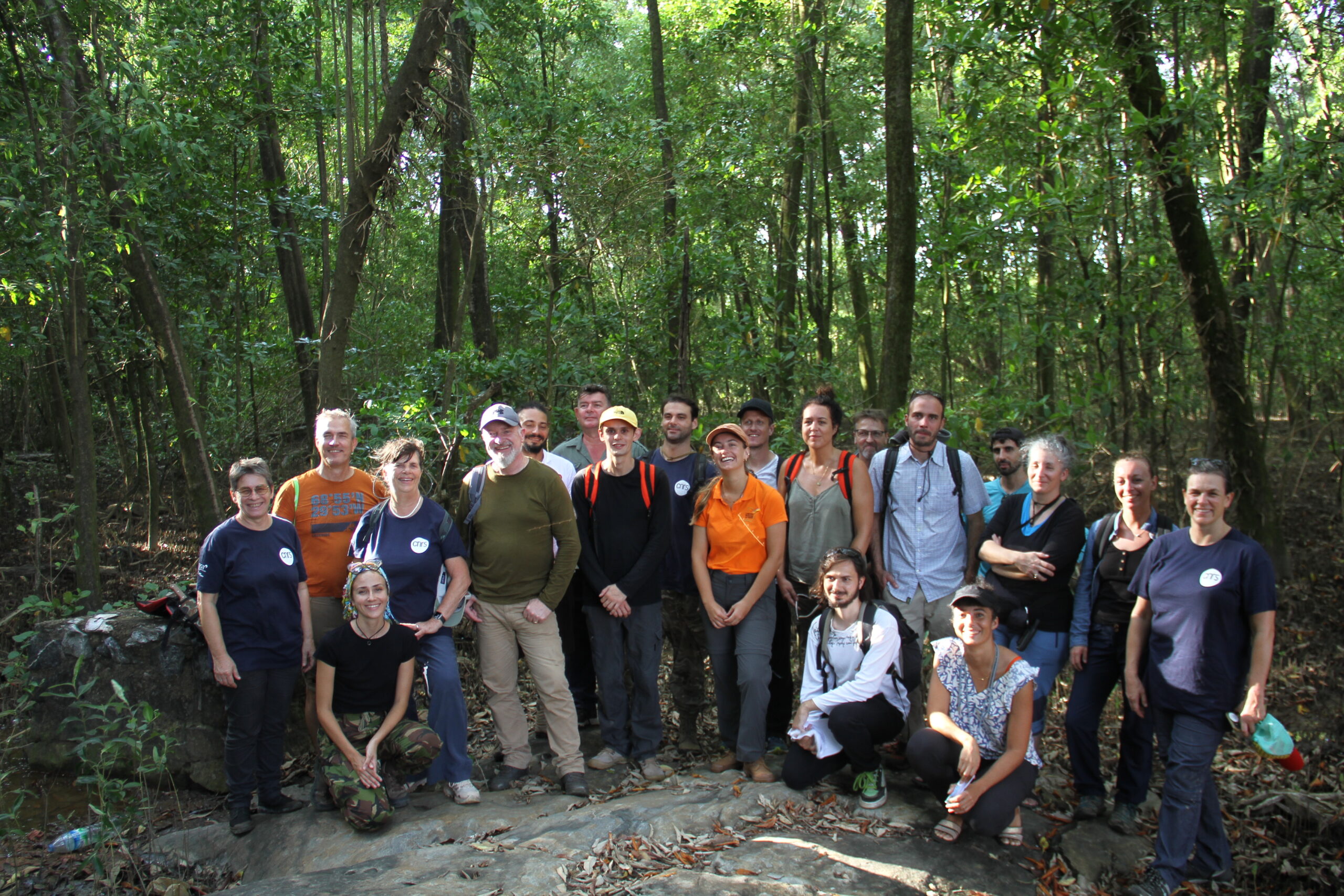
These days were marked by strong attendance, the emergence of new collaborations, highly informative workshops, and discussions that continue to inform our collective thinking today. The MAGELLAN Living Lab extends its warmest thanks to IR ILICO for co-organizing this event, as well as to all the speakers and participants for their commitment. The contributions gathered will now enable the Living Lab to prioritize its next actions and establish dedicated working groups. The results and outlook will be shared shortly.
More news