SOLU-BIOD Scientific Days
SOLU-BIOD SCIENTIFIC DAYS 2025
From research to action: heading toward Nature-based Solutions
📅 September 24 and 25, 2025
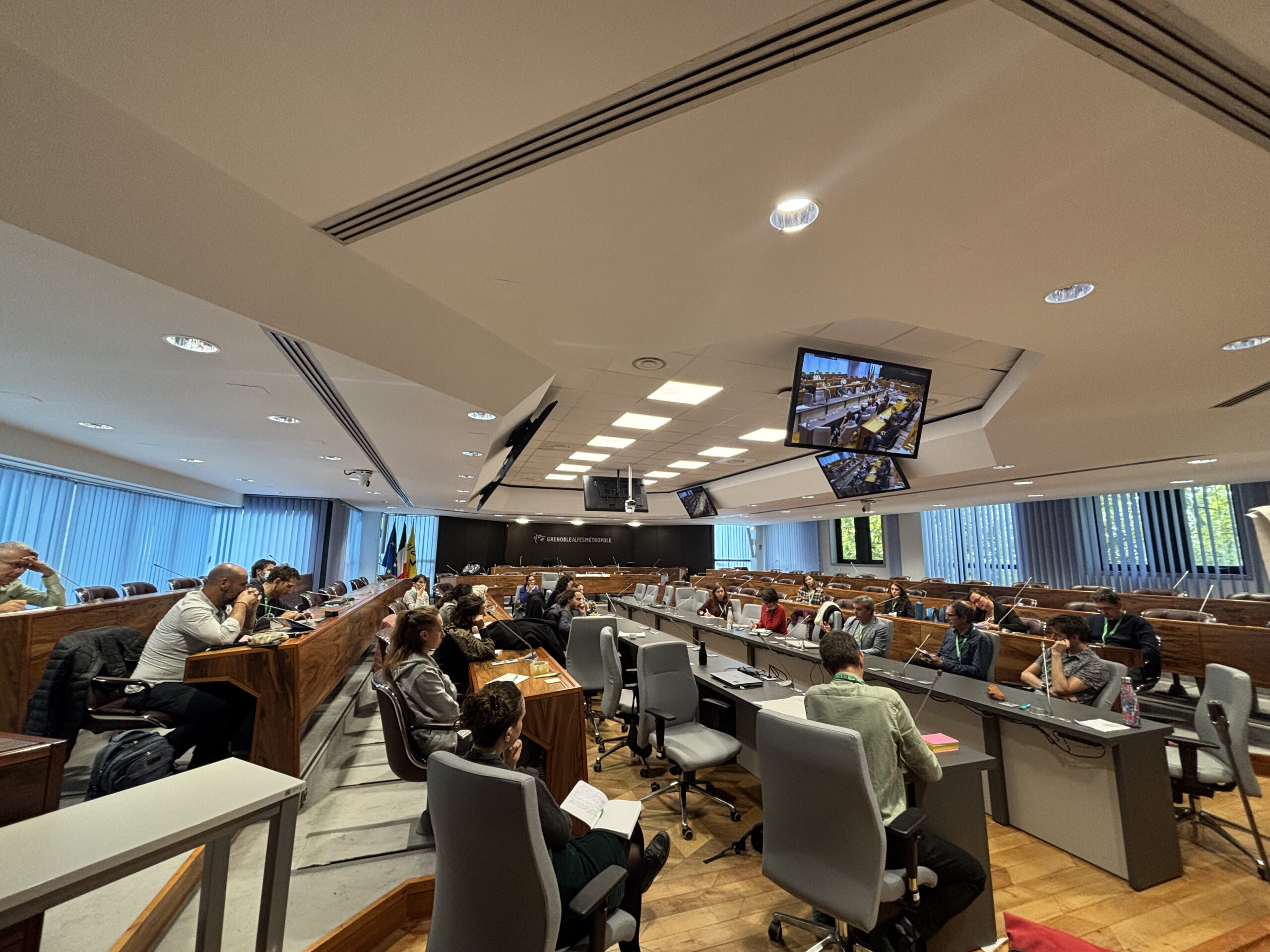
📍 Amphitheater Mont Blanc at Grenoble Alpes Métropole, Malraux Building, 1 Place André Malraux
🔗 Free registration
Nature-based Solutions (NbS) represent a major lever to support the adaptation of territories to climate change, while contributing to the preservation of biodiversity and generating sustainable social and economic benefits.
To address the challenges related to their implementation, the SOLU-BIOD research program aims to structure an interdisciplinary scientific community dedicated to the design, management, and evaluation of NbS.
In this dynamic, SOLU-BIOD, with the support of Grenoble Alpes Métropole, organized the 2nd edition of its Scientific Days, an event aimed toward:
- bring together the research stakeholders around the NbS,
- open spaces for dialog between science and society,
- and promote the emergence of new collaborations.
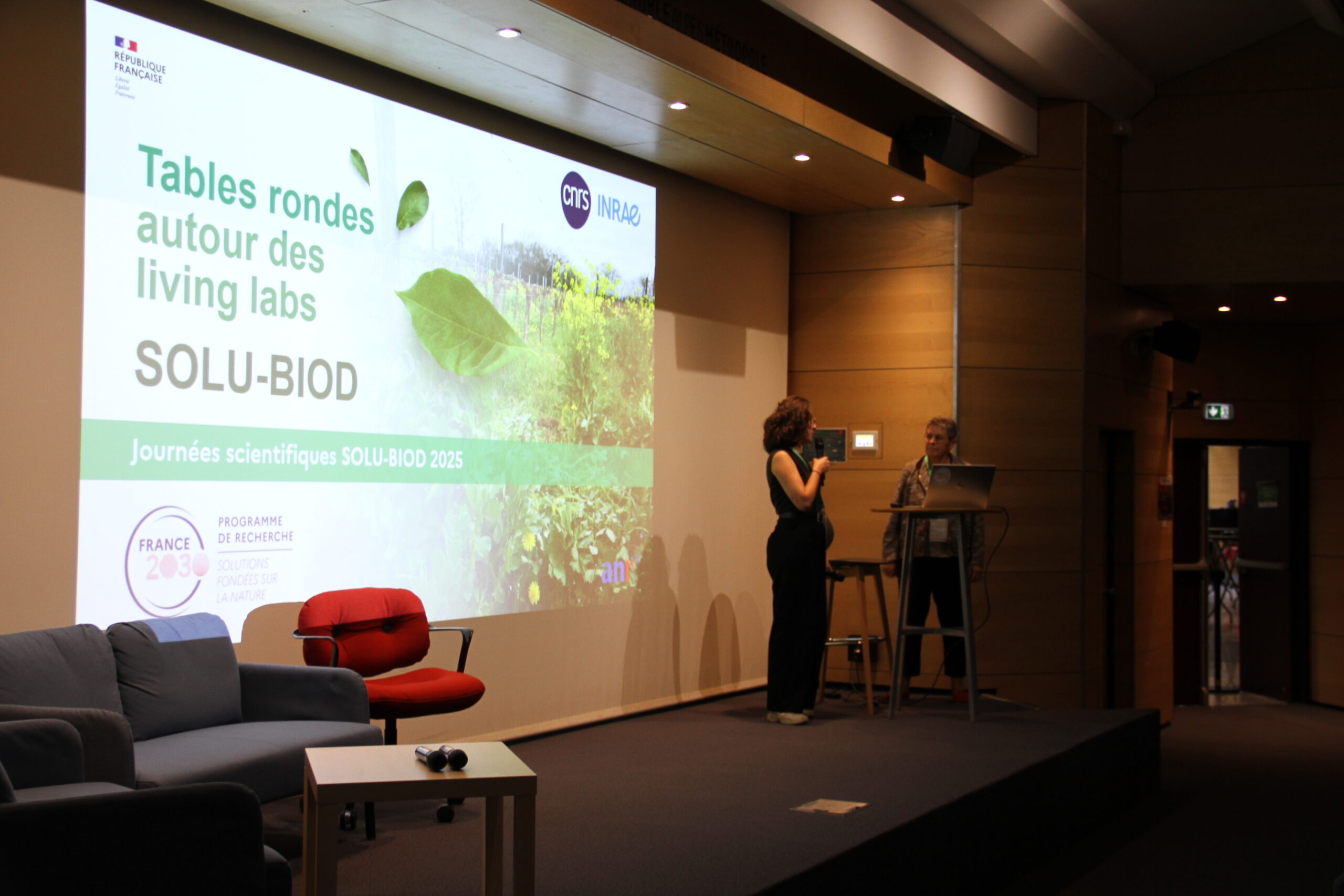
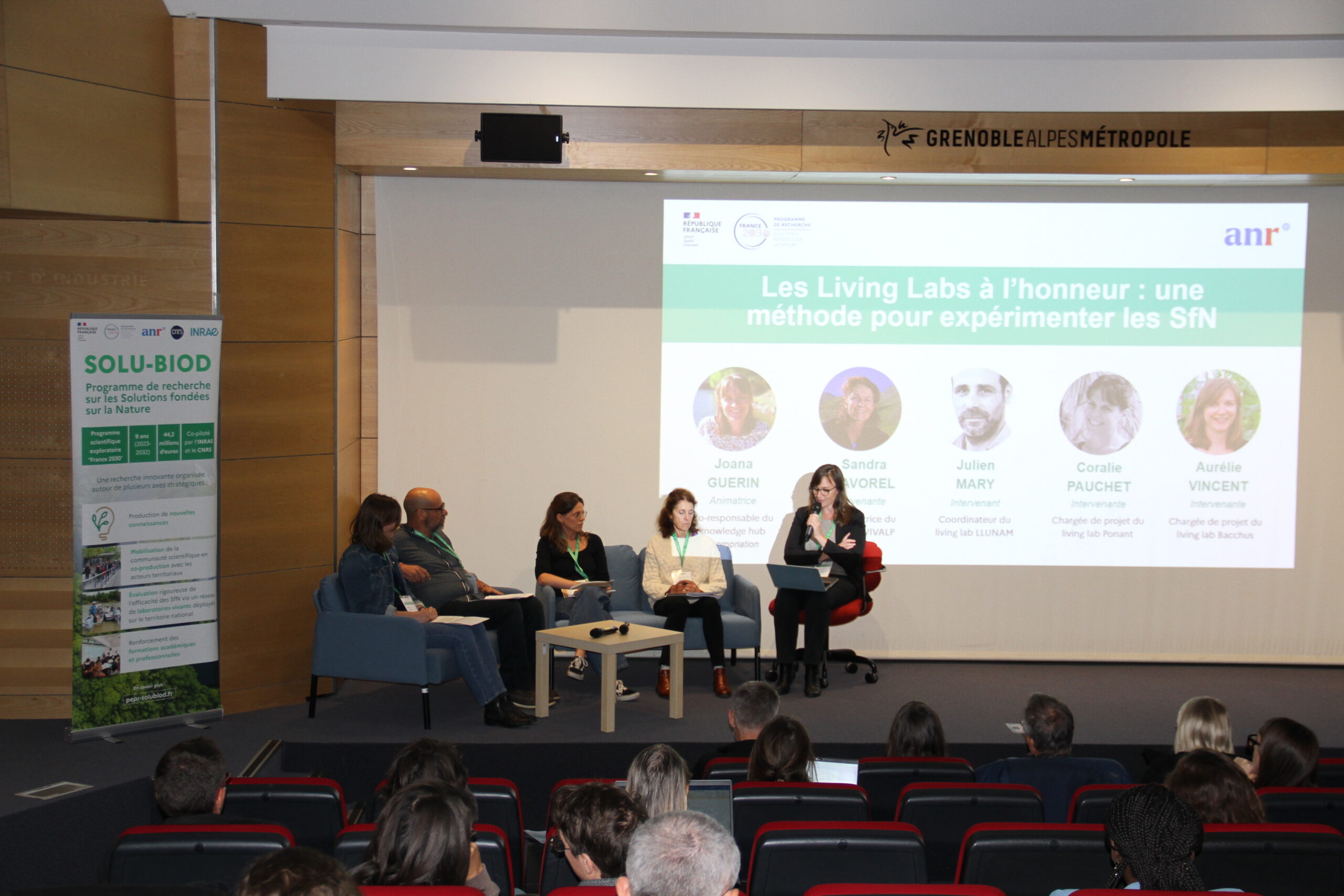
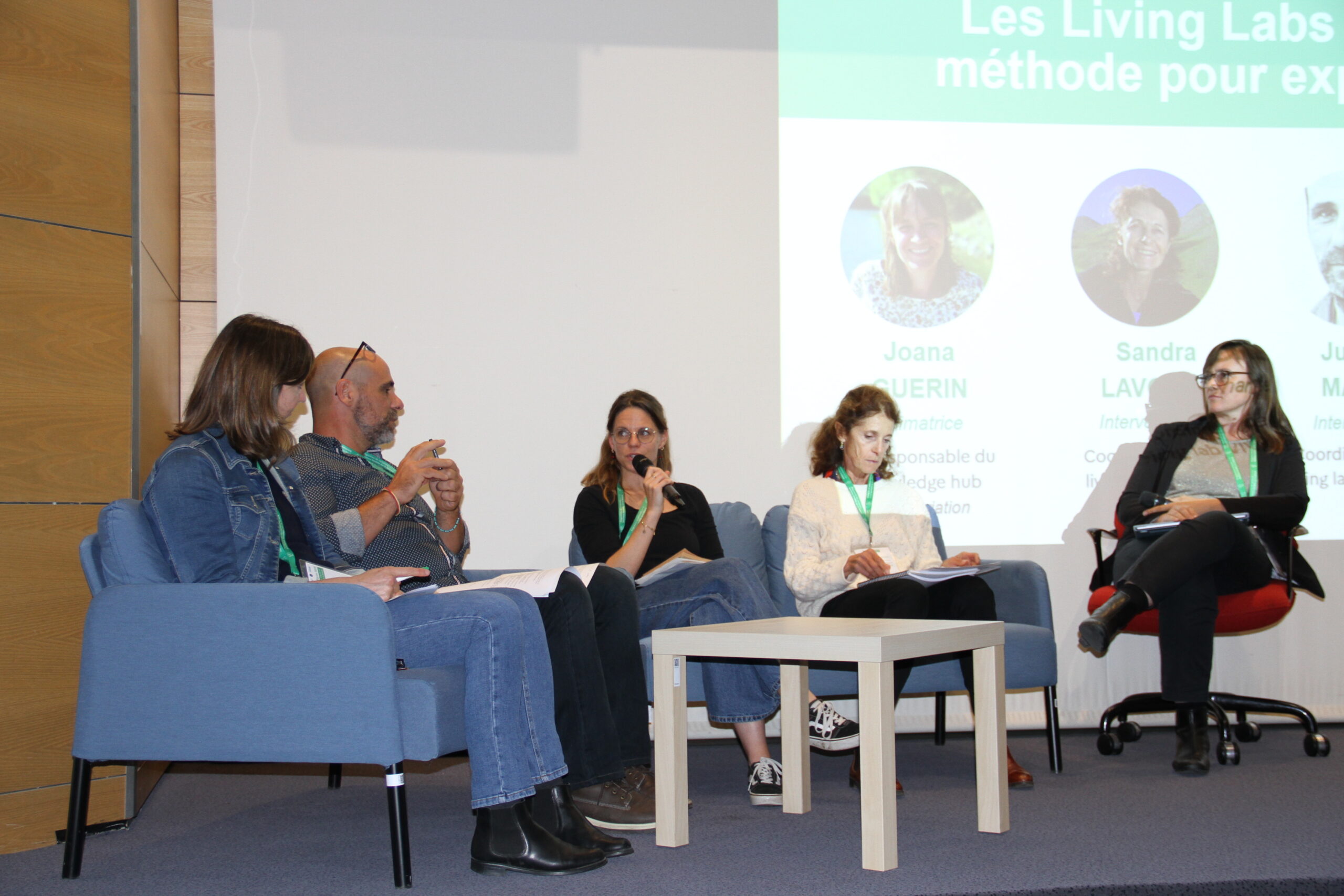
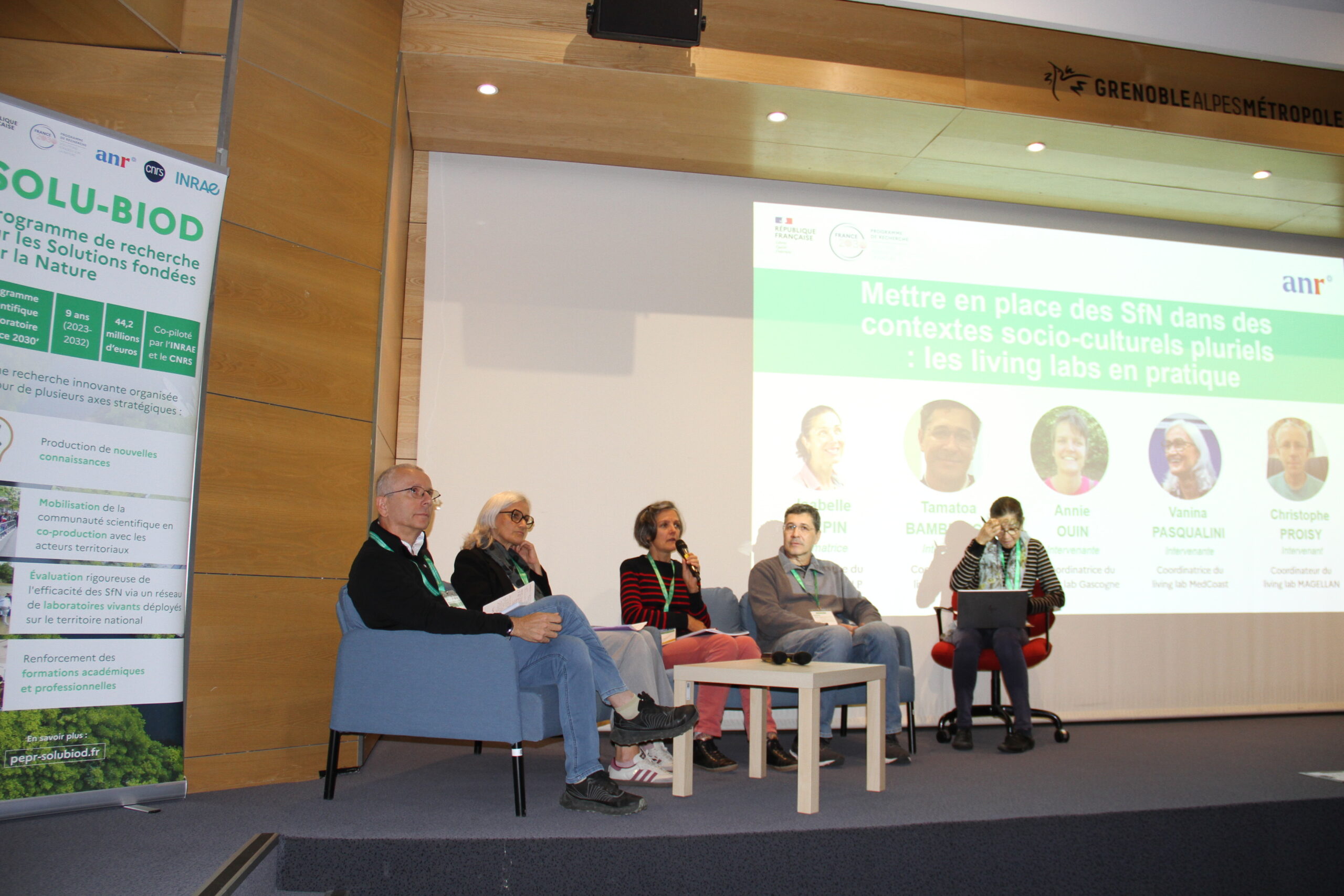
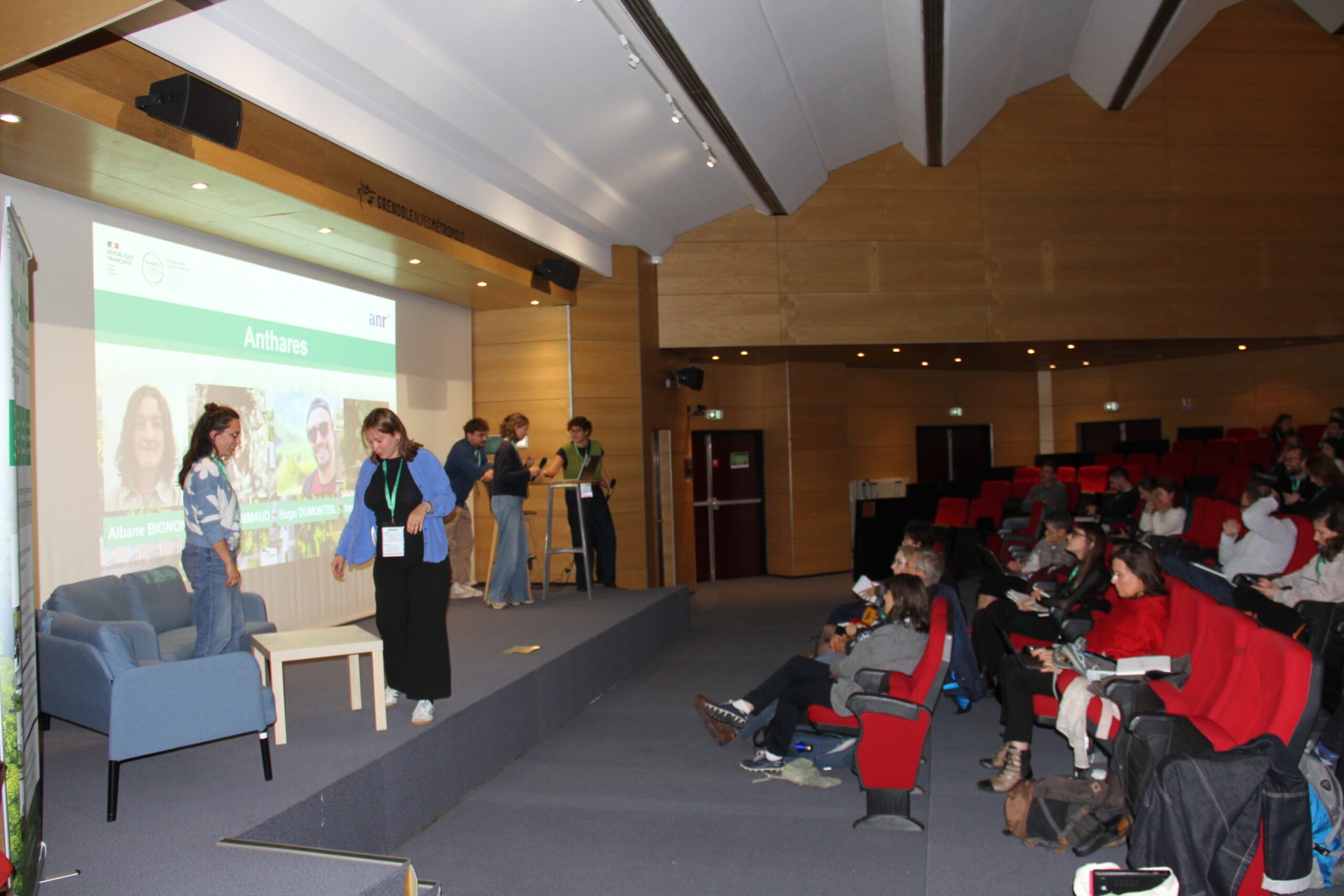
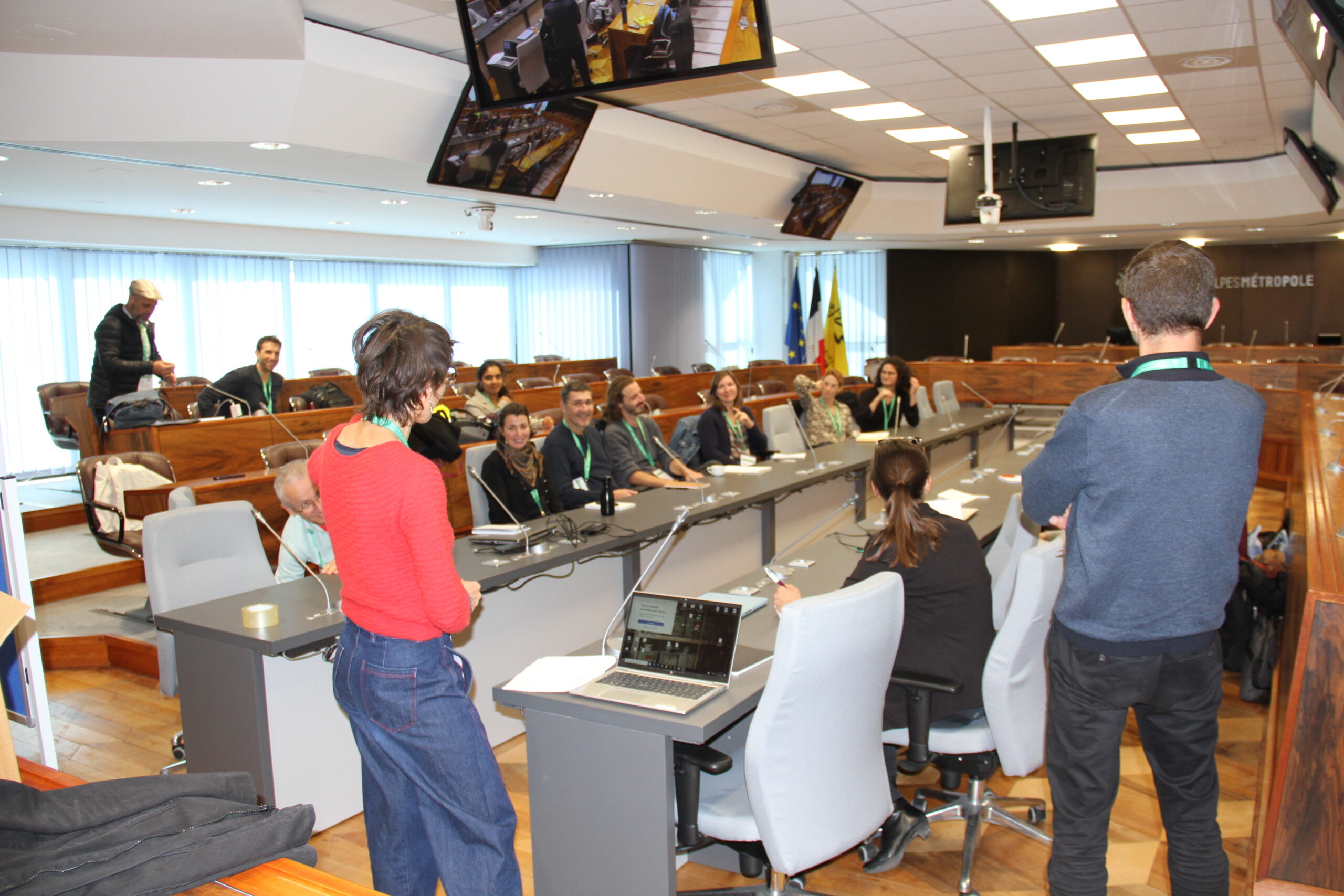
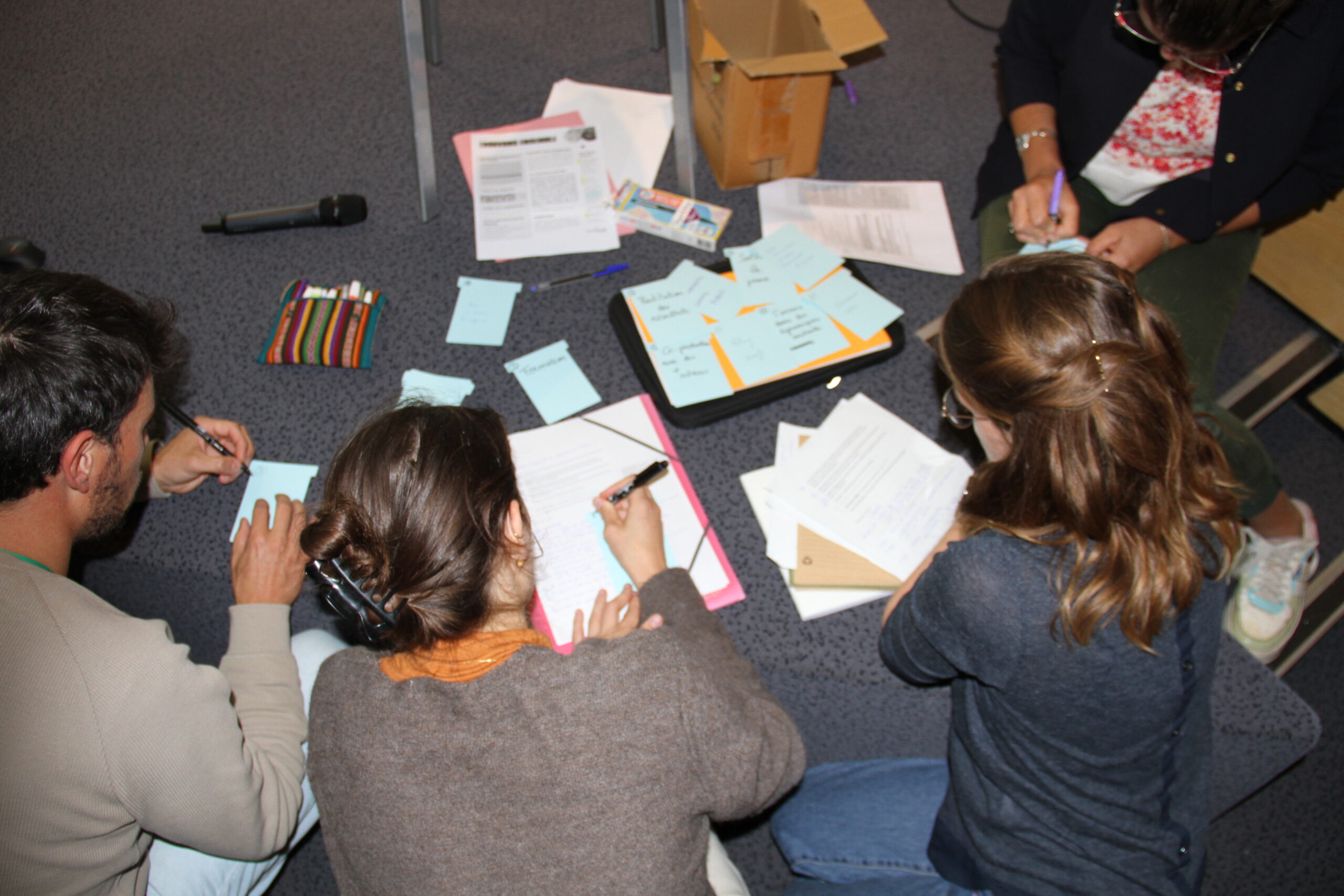
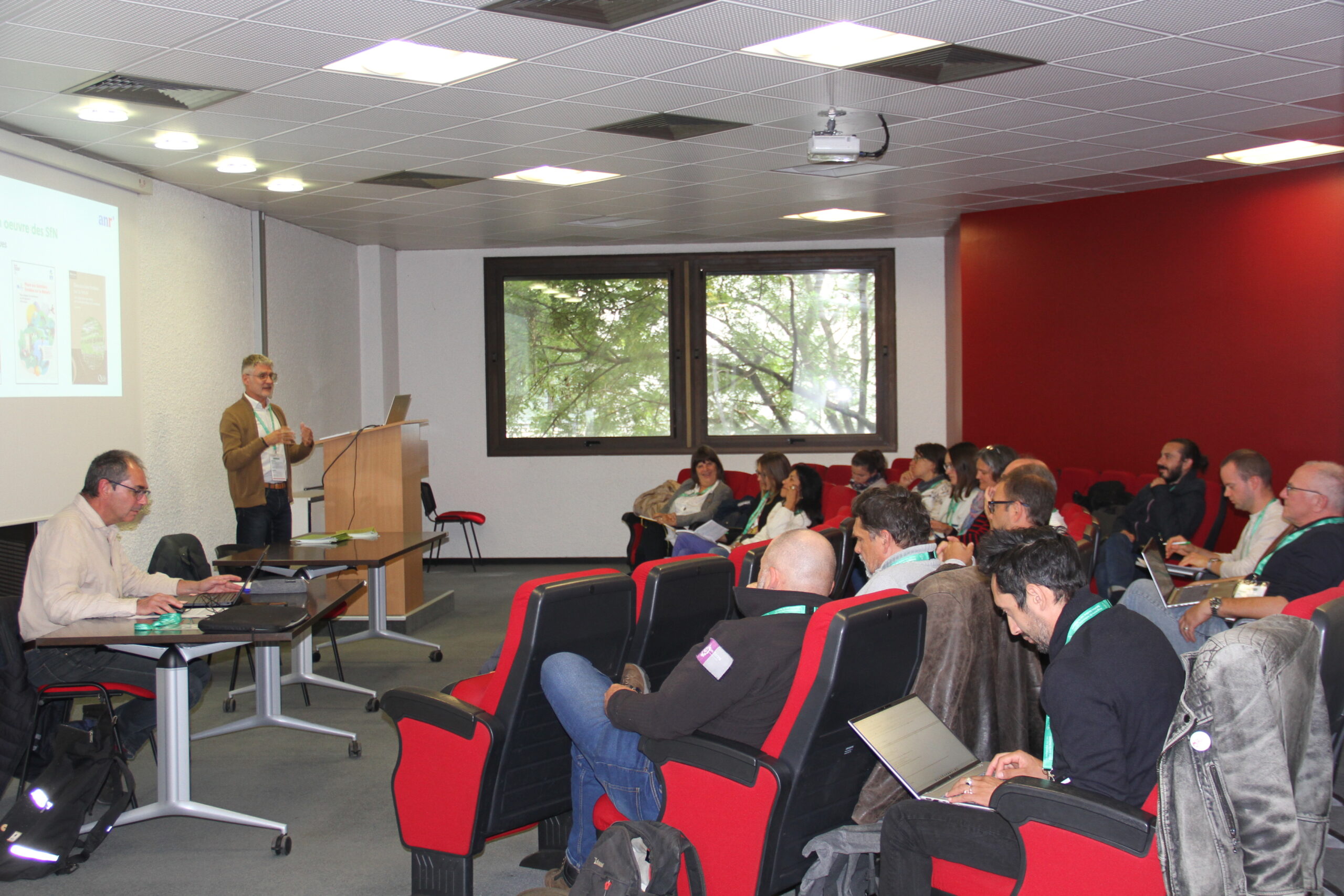
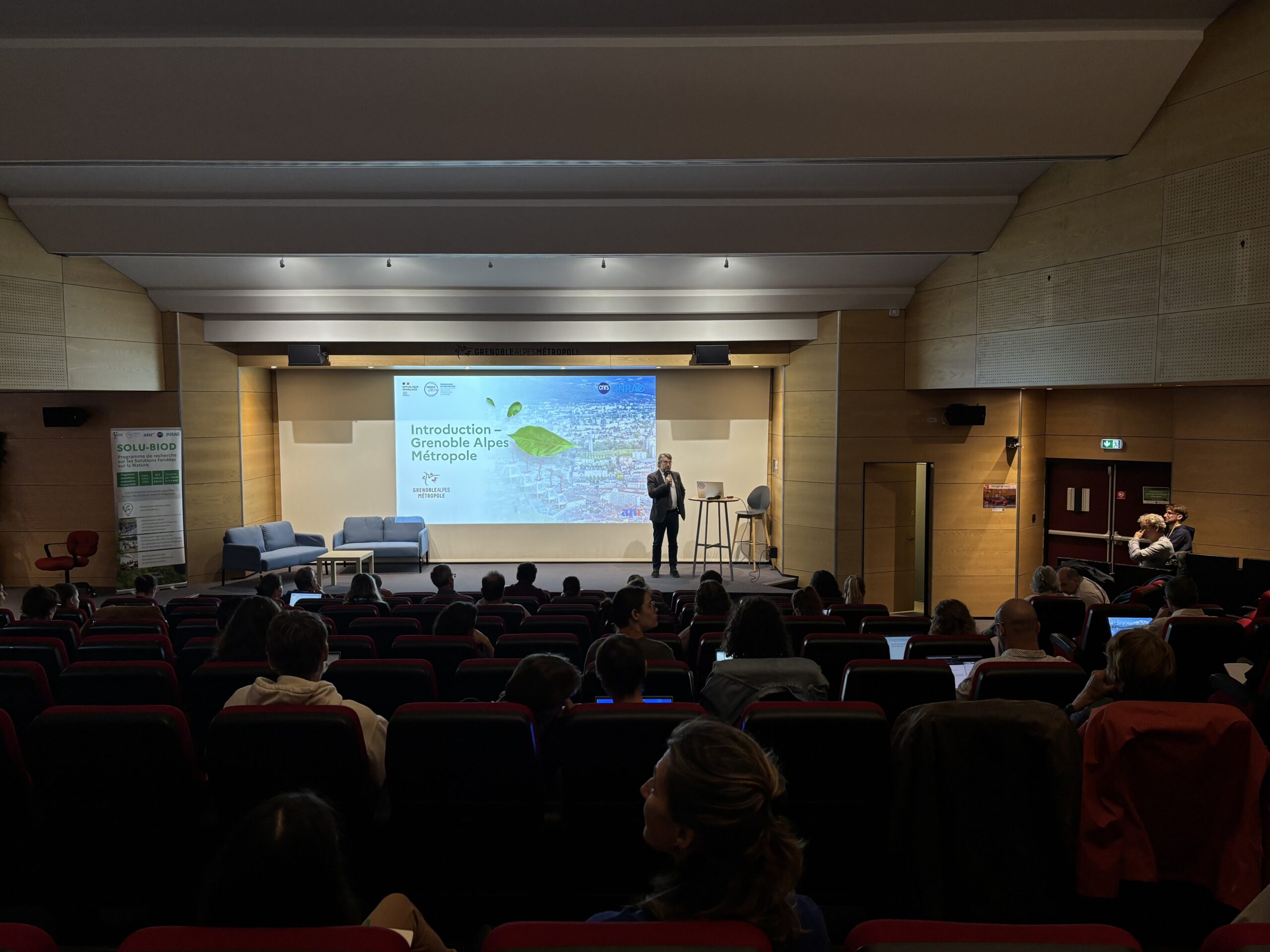
The day of September 24 was focused on the advancements of the SOLU-BIOD program. It offered scientific conferences, thematic round tables, and presentations of researchers’ work (PhD and postdoctoral researchers). The one on September 25 was dedicated to the exchange between science and society with conferences, participatory workshops, and discussion sessions open to various stakeholders (local authorities, public institutions, associations, businesses…).
Program (FR)
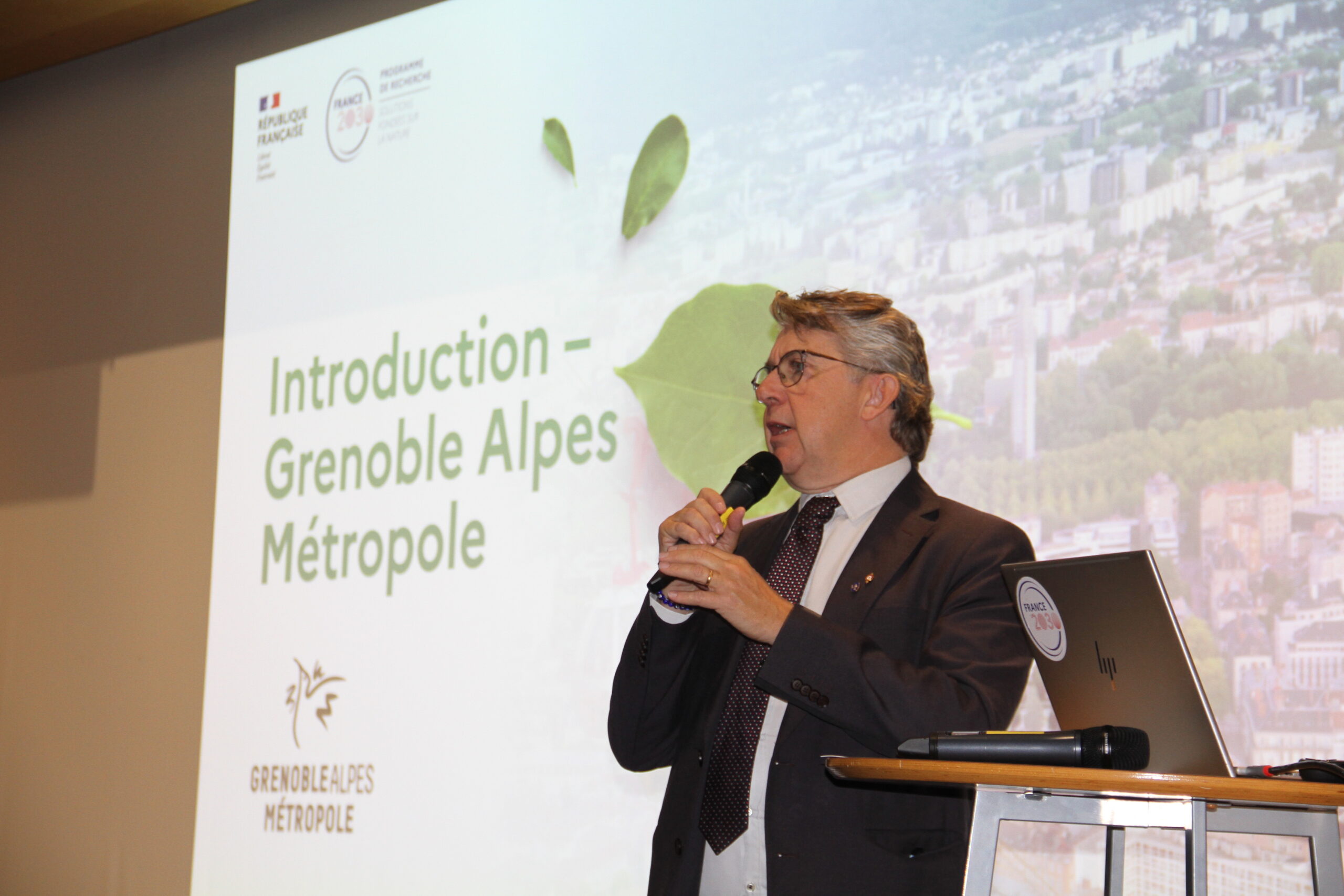
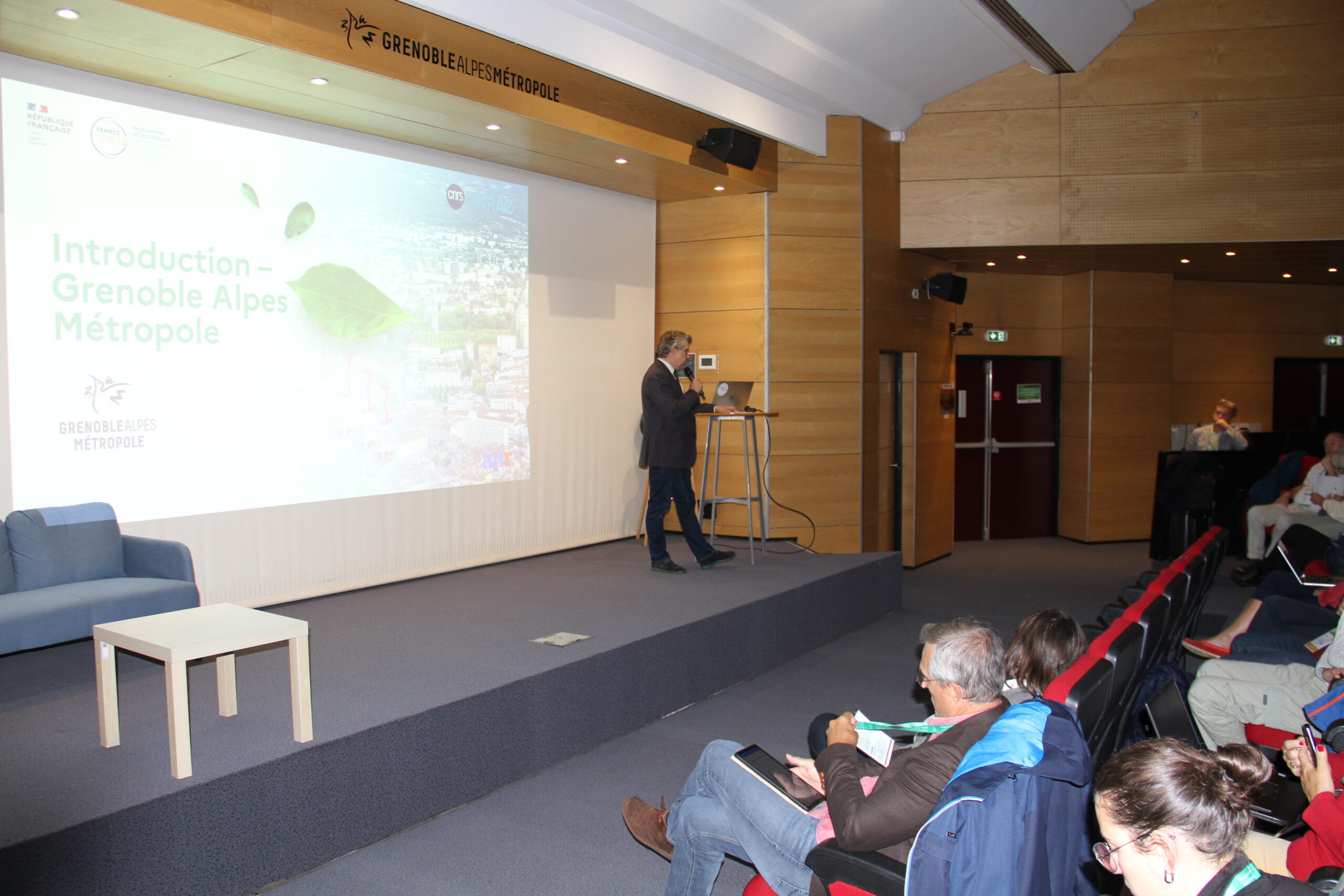
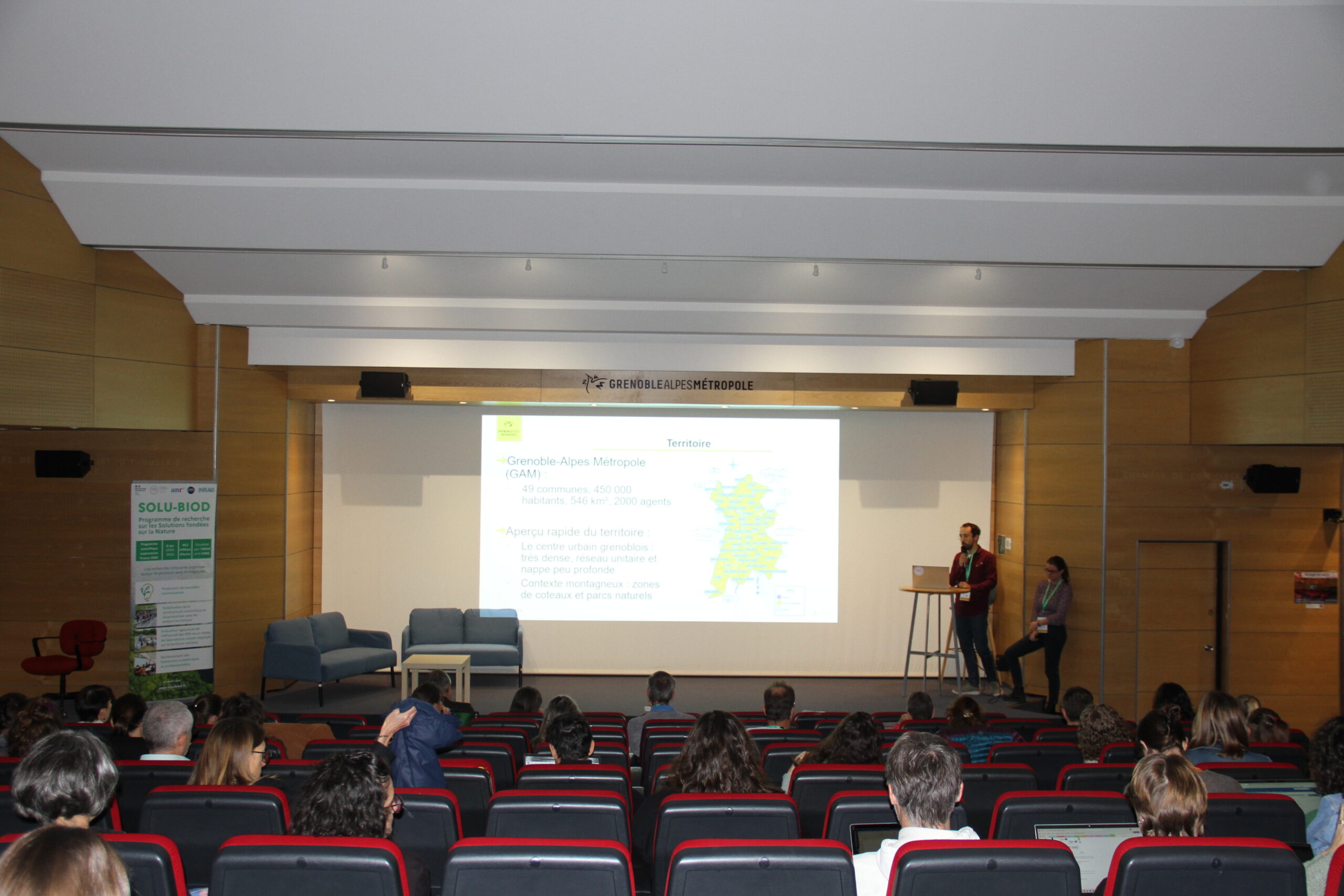
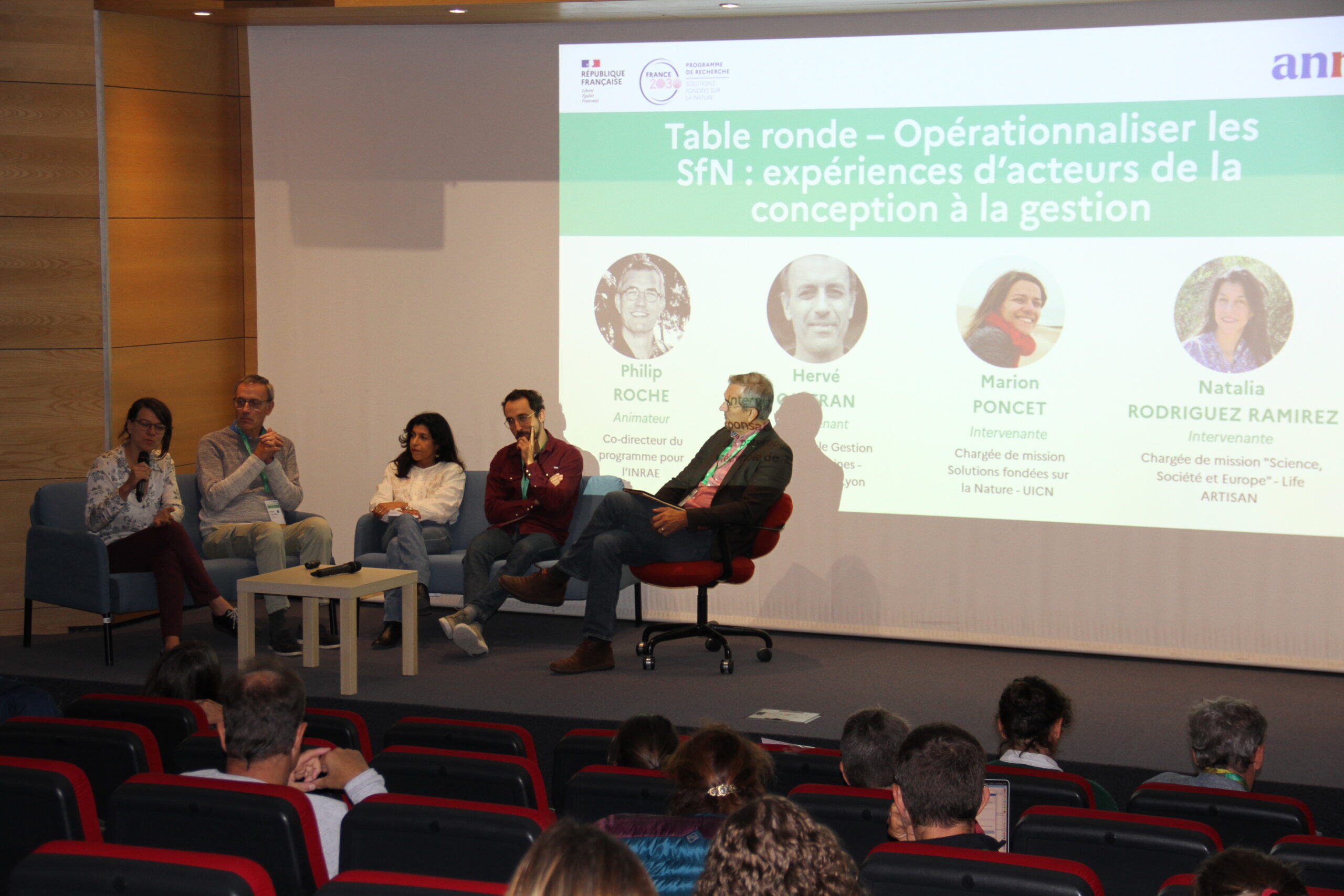
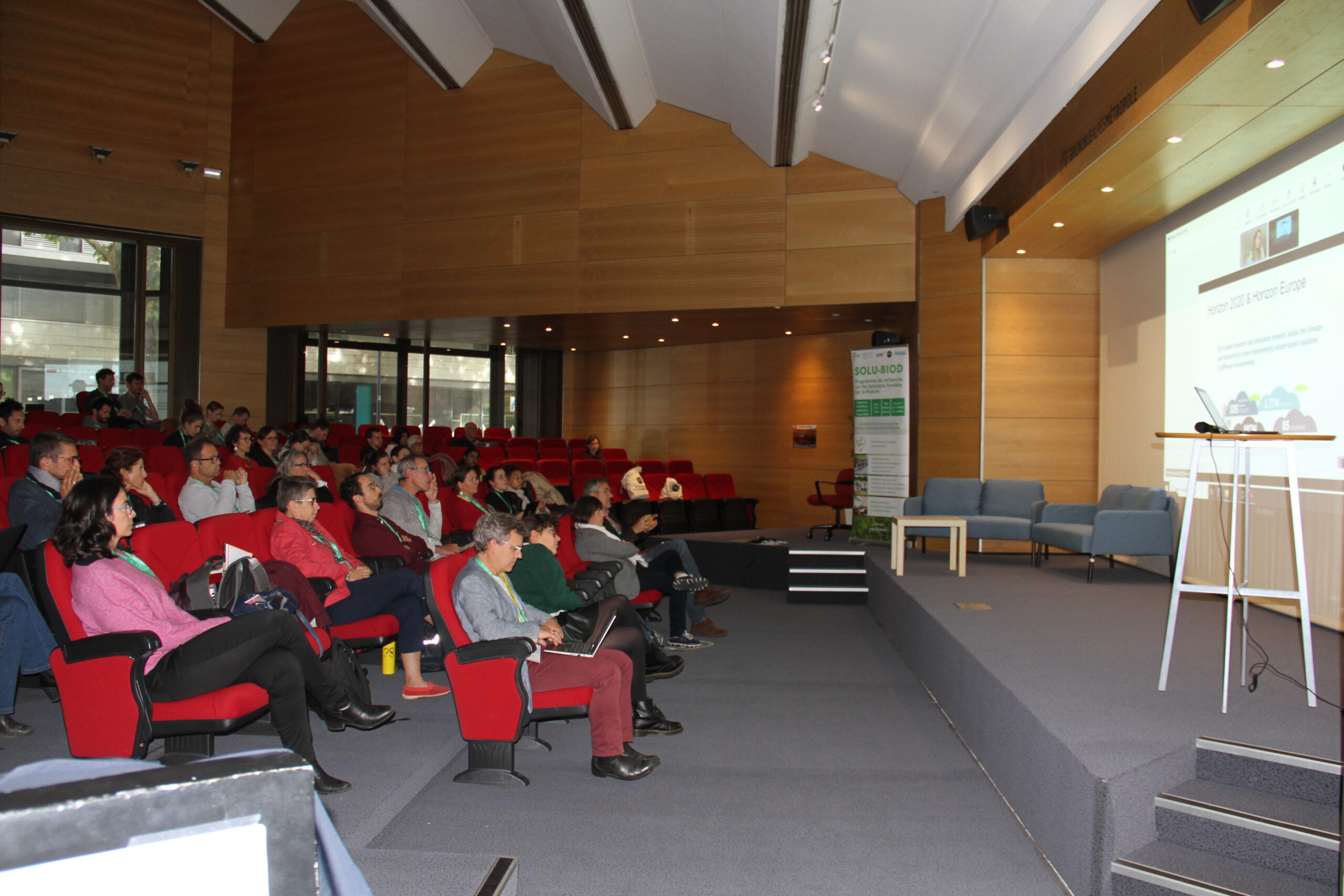
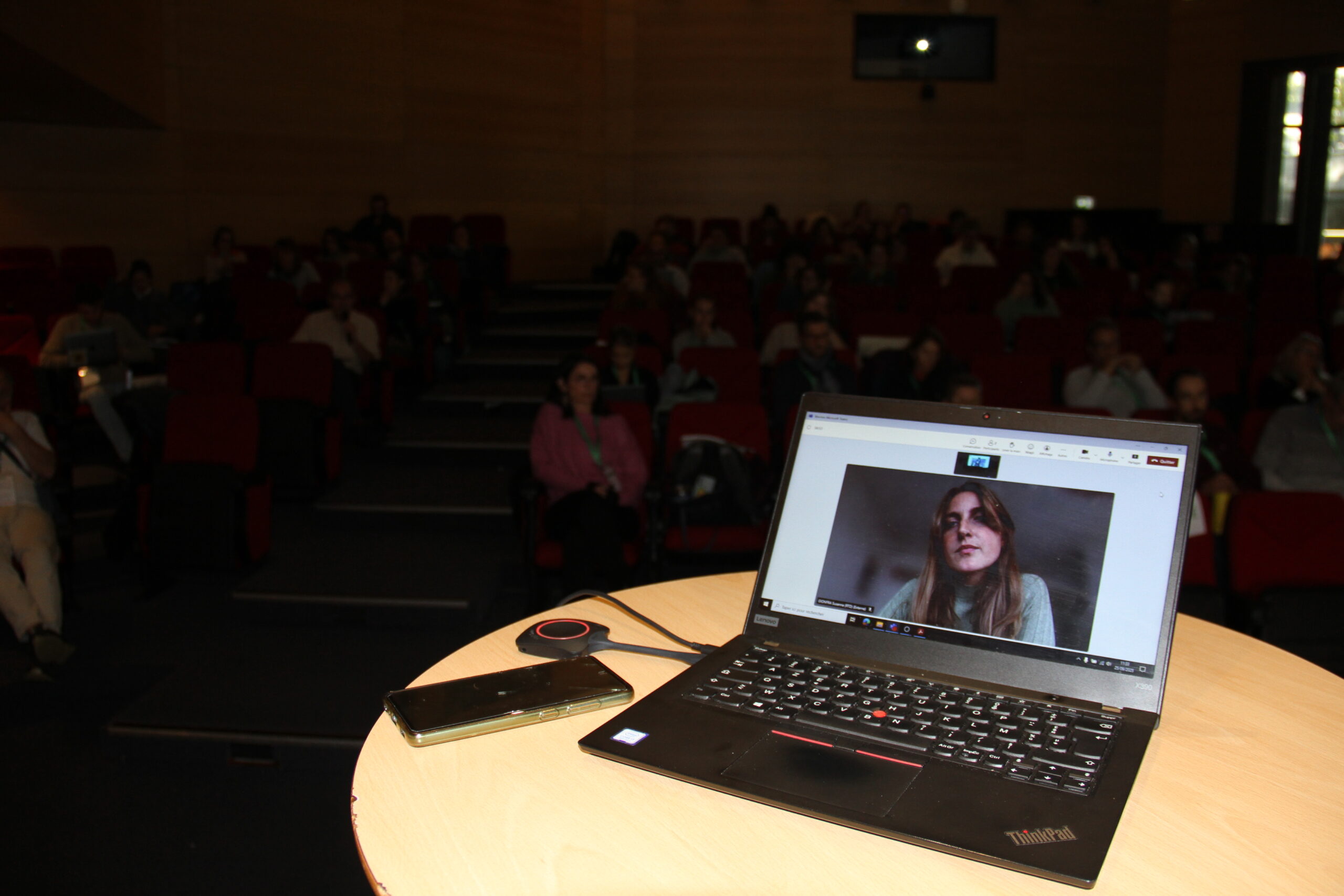
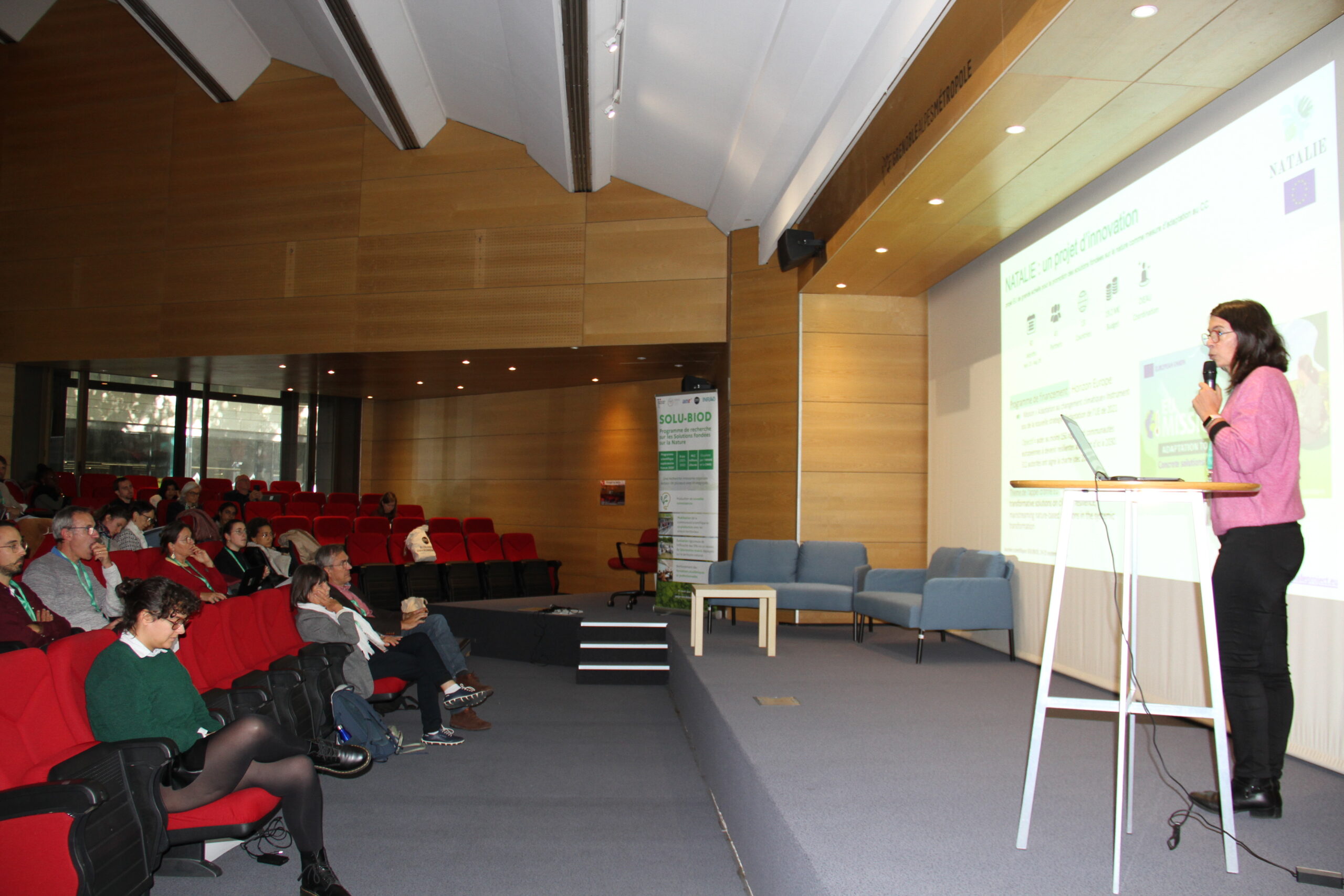
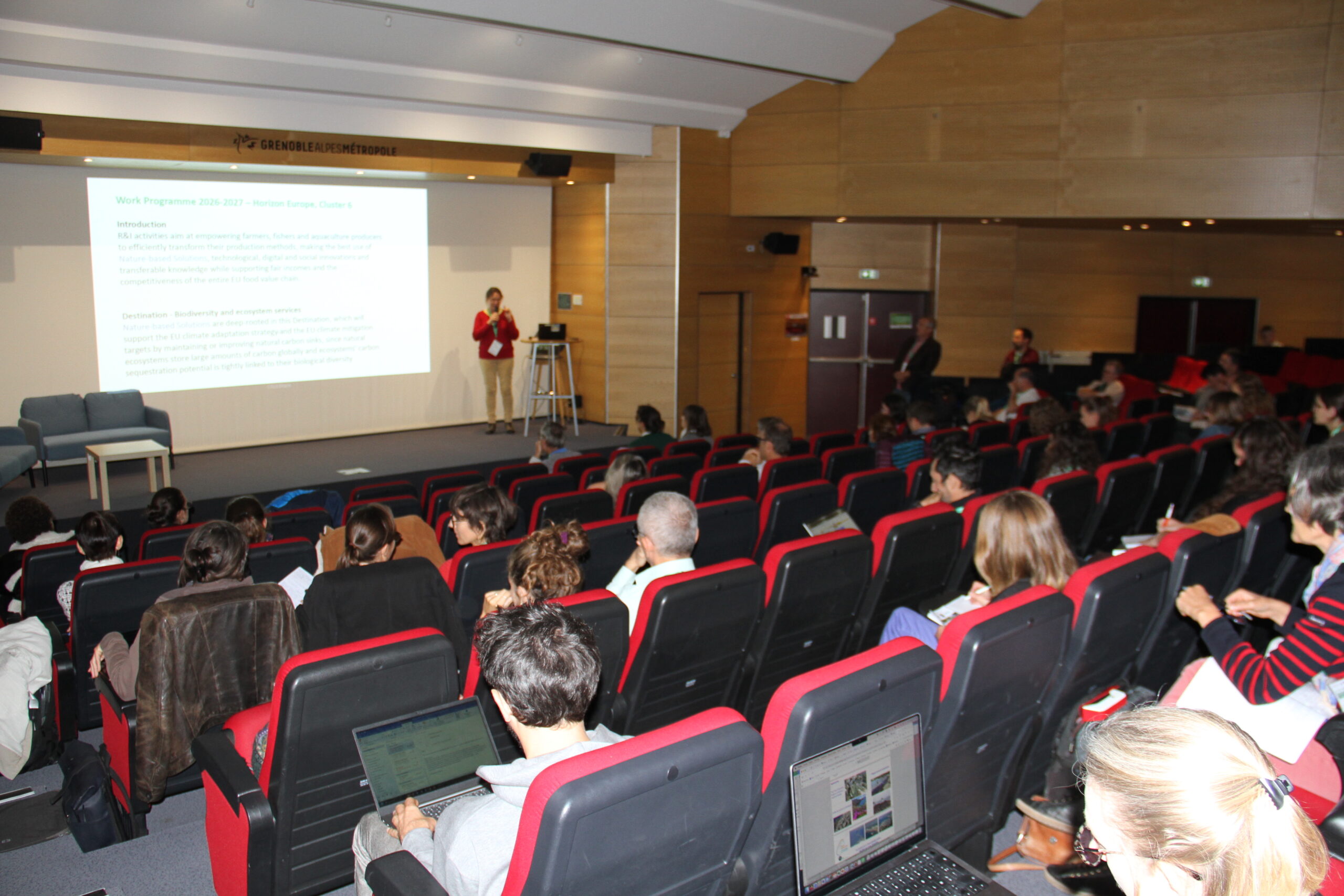
24 September
25 September
PPT presentation of the session Introduction – Grenoble Metropolis (FR)
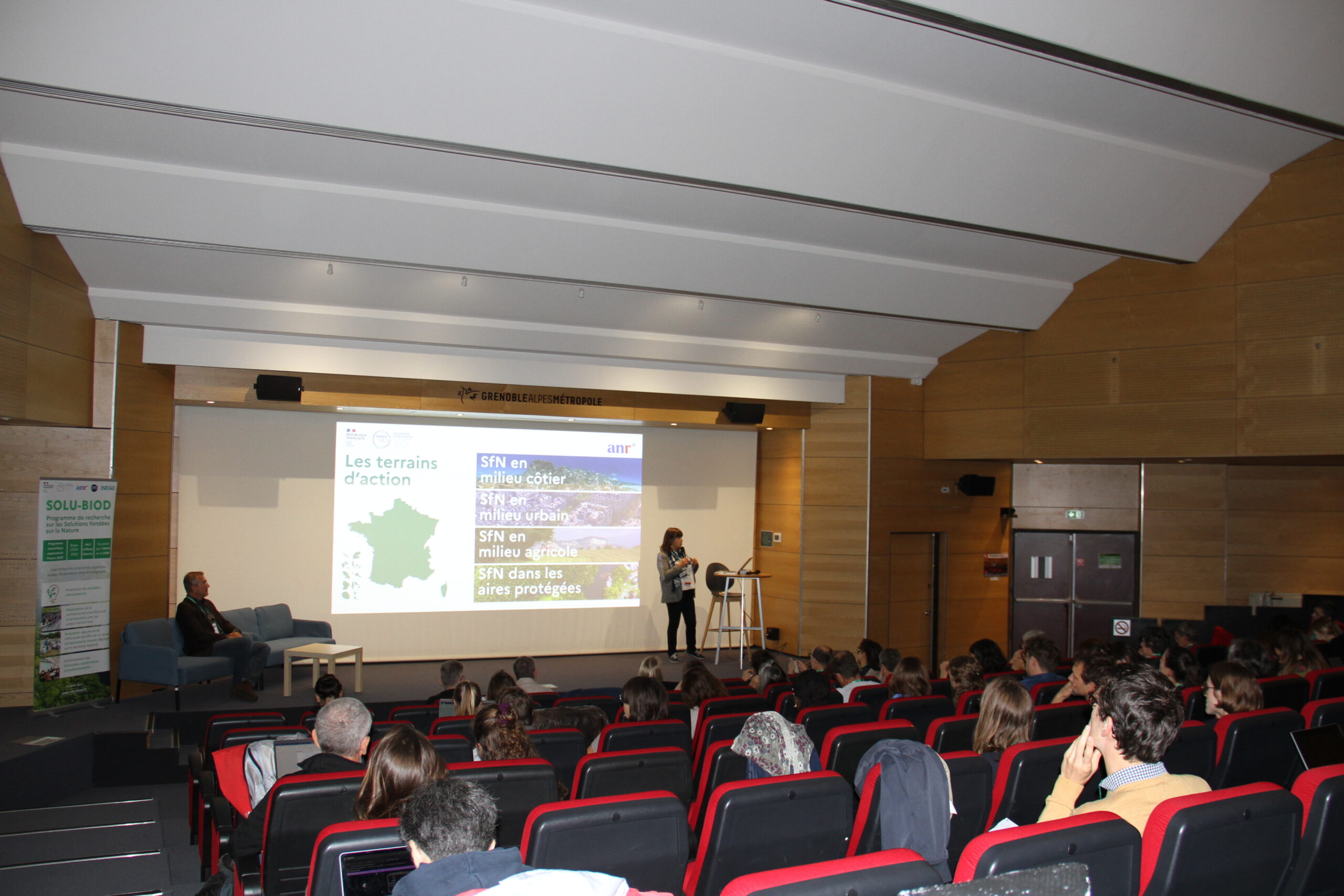
PPT presentation of the presentation Europe and NbS: toward a scale-up? (FR)
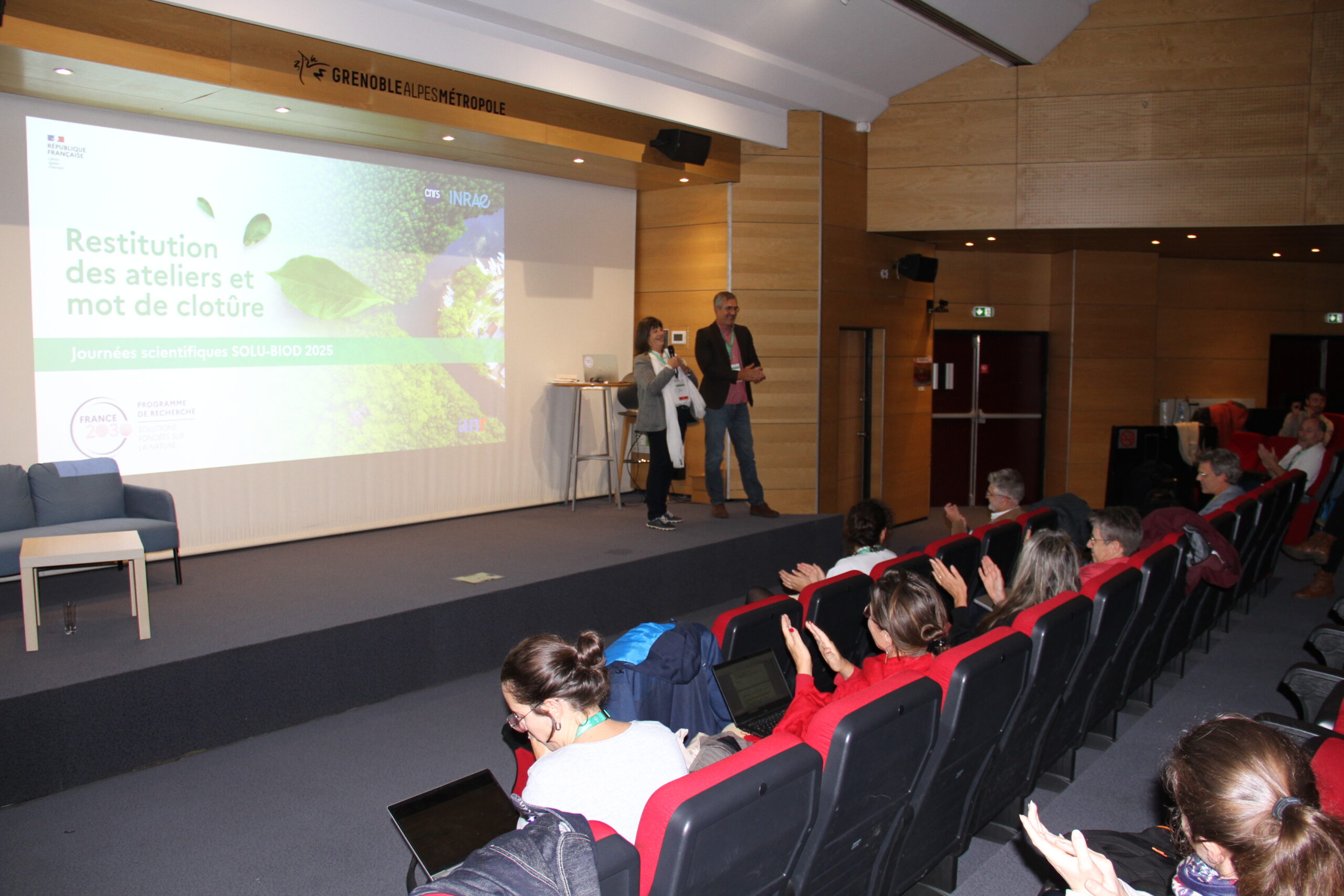
Workshop report and closing remarks
SOLU-BIOD SCIENTIFIC DAYS 2024
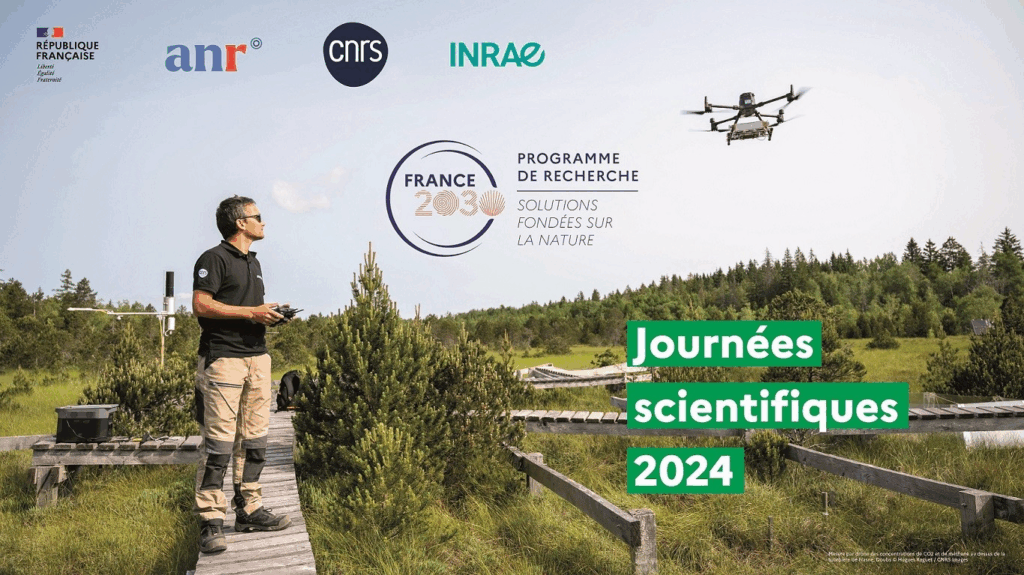
On October 9 and 10, the first Scientific Days of the National Research Program on Nature-based Solutions took place at the Botany Institute of the University of Montpellier. One of the objectives of these Days was to bring together the community of researchers and stakeholders involved in Nature-based Solutions.
Over the course of two days, researchers and societal actors met and exchanged ideas, often for the first time, around the research themes explored by the Program. The event took place between the Institute of Botany at the University of Montpellier and the House of Sciences and Humanities at Paul-Valéry University Montpellier 3.
9 October
These first scientific days were an opportunity to present the program to interested individuals as well as its progress. The first part of the day on October 9 was introduced by the Vice-President of the University of Montpellier, François Pierrot, by the President of Paul-Valéry University Montpellier 3, Anne Fraïsse, by the Deputy Director of CNRS Ecology and Environment, Agathe Euzen, as well as by the Deputy General Director of INRAE for Science and Innovation, Carole Caranta. The co-directors of the Program, Martine Hossaert and Philip Roche, then presented the Program to the audience present in the Charles Flahault amphitheater of the Institute of Botany. A presentation of the various targeted/strategic projects was then carried out by the different Project Managers. They described the objectives/expectations of their projects as well as their levels of progress.
The afternoon of October 9 was organized around the four scientific challenges of the program. After the presentation of the issues by the facilitators of the working groups (each working group focuses on a SOLU-BIOD issue), workshops on these issues were organized to identify complementary research questions formulated by the program teams and the working groups. The objective is to be as comprehensive as possible on the issues to be addressed in terms of Nature-based Solutions (NbS). The first day will conclude with Jean-Paul Metzger’s conference on the planning of NbS in Brazil.
10 October
On October 10, the second day began with a testimony on the actions around the NbS in the city of Montpellier by Stéphanie Grosset, Biodiversity Project Manager, as well as the actions implemented by Egis in connection with the NbS with Olivier Taugourdeau, R&D Project Manager. The second part of the morning was dedicated to workshops addressing the monitoring questions but adapting them to each environment. We revisited the four priority environments of the Program: urban environment, agricultural environment, coastal environment, and protected areas.
After the workshop presentations, the day concluded beautifully with Véronique Helfer’s conference on mangroves as NbS for climate change mitigation and coastal resilience, and the inter-PEPR roundtable where the role of NbS was discussed within other national research programs on related themes, such as: