POLLIFLOWER
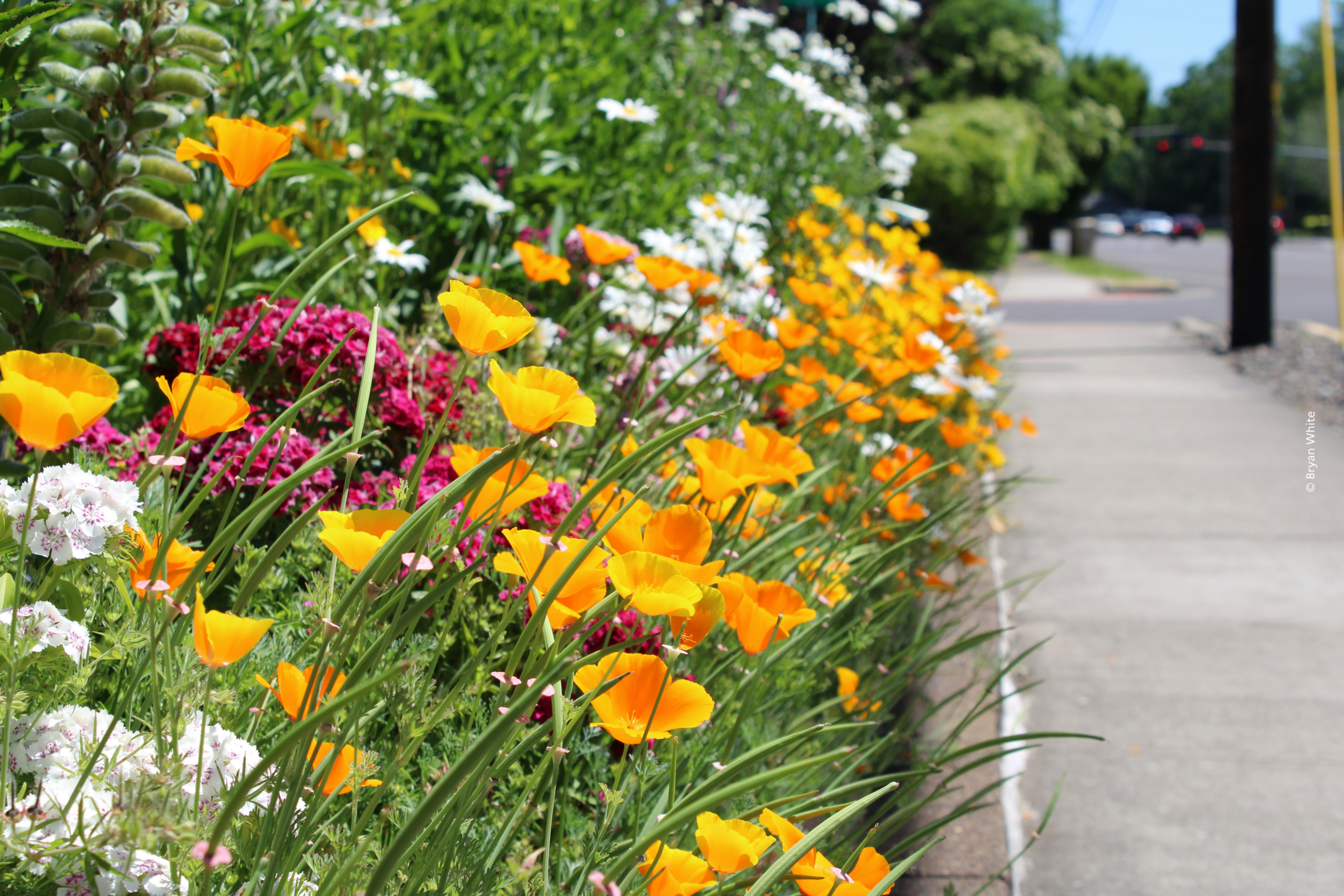
POLLIFLOWER: Flower strips to promote the diversity of pollinators and associated benefits: an interdisciplinary comparison between urban and rural areas
Scientific supervisor: Cécile LE LANN
Host institution: Université de Rennes
Context
The implementation of Nature-based Solutions (NbS) requires a systemic approach that is both interdisciplinary and cross-sectoral, incorporating citizen science. This is essential for moving these environmentally promising solutions beyond the confines of research and into practical applications to address current environmental and societal challenges. This is the main objective of the POLLIFLOWER project, which will study the benefits of flower strips in agricultural and urban areas.
The project
The project aims to address the specific challenge of restoring biodiversity, ecological networks, and associated ecosystem functions and services – such as pollination and pest control – in the main areas of biodiversity loss, namely intensive agricultural areas and urban areas. In rural areas, the main selective pressures stem from pesticide use, while in urban areas, land sealing, habitat fragmentation, and global warming are the primary factors that filter species by causing local extinctions or hindering colonization and the maintenance of populations within ecosystems.
Within a regional species cohort, the set of species that are absent from a particular ecosystem but could potentially live there is referred to as “phantom diversity.” The uniqueness of the POLLIFLOWER project lies in the study of functional ghost diversity (life traits of missing species) in order to implement better NbS that promote these traits in ecosystem restoration, while also promoting “ghost” species.
POLLIFLOWER will thus make it possible to assess the ecological, economic, and sociological impacts of flower strips compared to other semi-natural features, such as grass strips and late-mowing areas, which may exist around crops and in urban areas. This Nature-based Solution is often hindered by insufficient acceptance and/or adoption by local stakeholders, both in rural and urban areas. Social acceptance of flower strips by rural and urban populations will be promoted through participatory science events and assessed through on-site surveys.
Theoretical and empirical models of land-use conflicts, based on biodiversity indicators and on existing and future legal frameworks, will aim to propose evidence-based strategies to guide the design of local, regional, and national public policies, particularly regarding the management of green spaces and corridors, as well as within the context of Net Zero Land Take laws. Multidisciplinary indicators and guidelines to facilitate decision-making, technical implementation, and the management of flower strips over time, as well as guides for public policy, will also be provided. The co-construction and promotion approach, featuring a living laboratory bringing together citizens, managers, farmers, students, and researchers, will help maximize acceptance of these NbS.