GASCOGNE
living lab
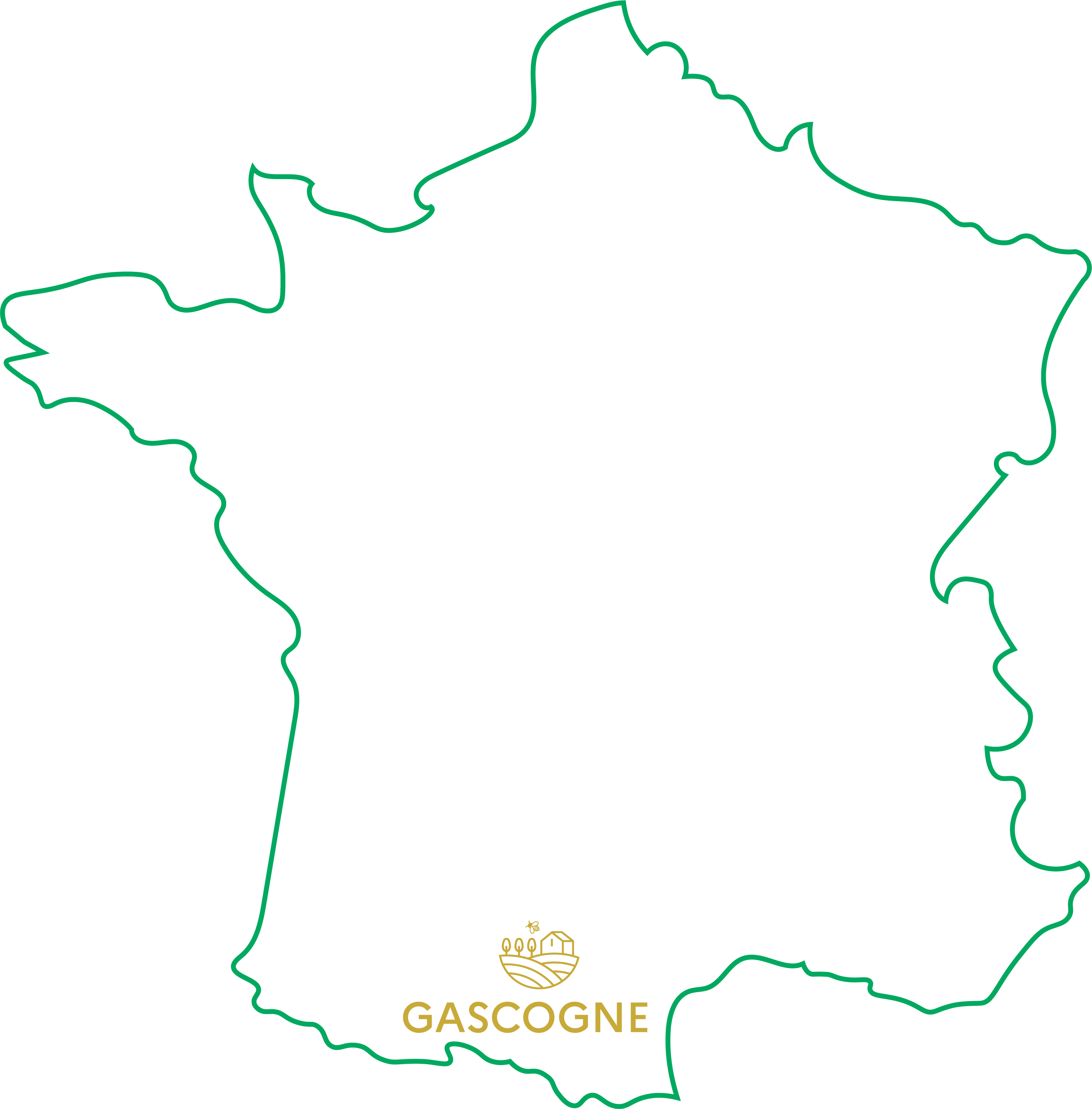
Gascogne Living lab
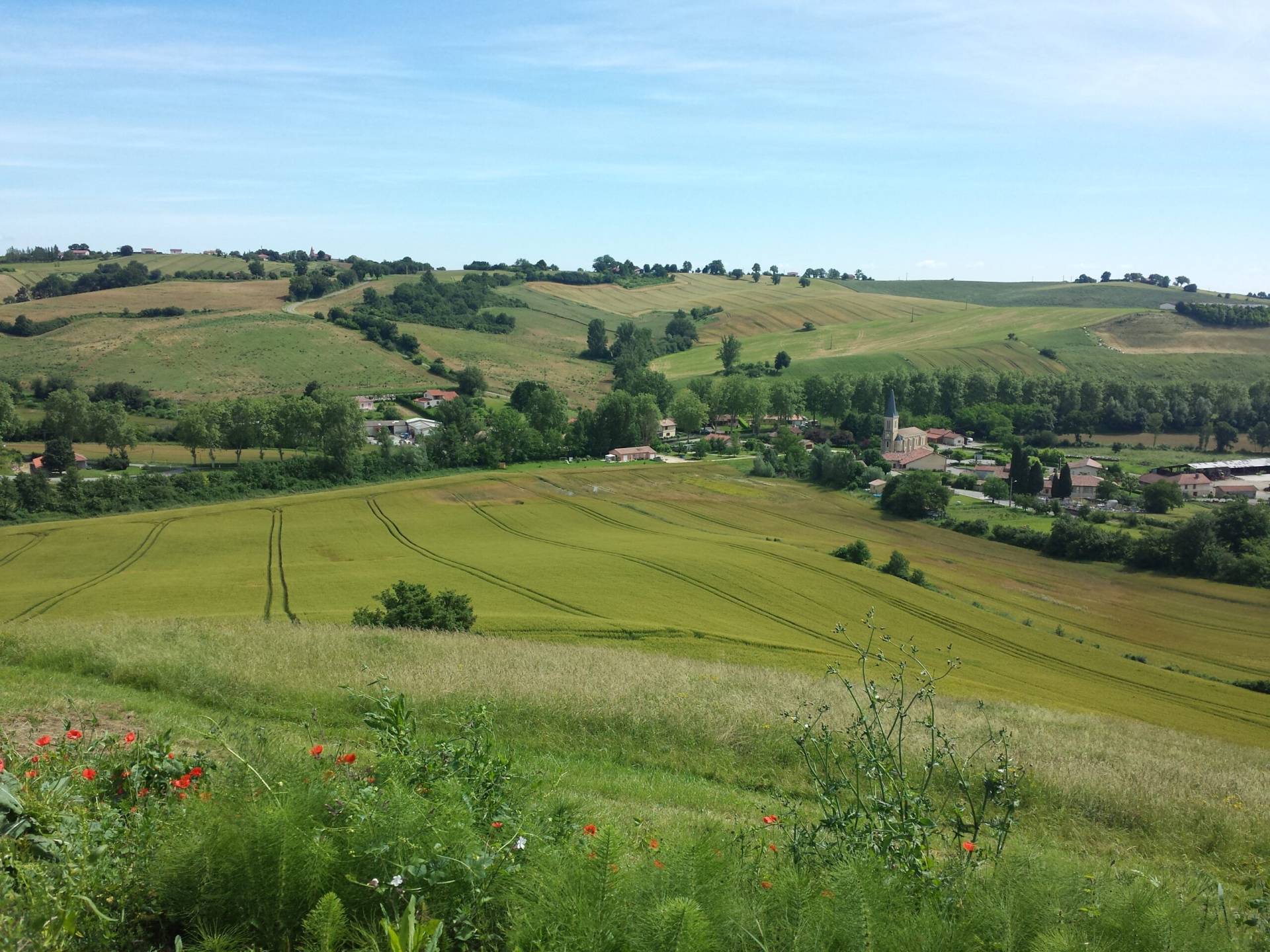
Nature-based Solutions to preserve biodiversity and mixed farming in our agricultural landscapes: a living lab between Astarac and Nord-Comminges.
Topics covered by Gascogne
- Agroecological transition
- Sustaining livestock farming and fostering synergies with crop production and biodiversity conservation
- Natural Hazard Management
- Biodiversity Conservation
- Adapting to environmental changes
- Reconnecting with nature
- Residents’ health and well-being
Priority scientific questions
The Bacchus Living Lab’s activities are structured around four key questions:
- How could the introduction or restoration of semi-natural habitats (grasslands, hedgerows) and crop diversification contribute to sustainable and self-sufficient agriculture?
- What are the benefits and costs of NbS in promoting pollination and crop protection, regulating water flow and livestock diseases, and also preventing soil erosion?
- How can we co-create landscape-scale scenarios for the restoration of semi-natural habitats and the management of crop diversity that would promote a range of ecosystem services and biodiversity?
- What are the agronomic, social, economic, and environmental indicators of success for NbS?
Living Lab activities
The Gascogne Living Lab focuses its activities on four main areas:
- Explore how the landscape scale could contribute to the identification, design, and implementation of NbS to address local challenges
- Work with stakeholders to study NbS based on semi-natural habitats associated with extensive livestock systems, such as grasslands and tree-related habitats
- Build and analyse new landscape scenarios and implementation scenarios for NbS using existing simulation models and statistical models related to landscapes, biodiversity, and associated ecosystem services, water regulation, and farmers’ incomes
- Study the agroecological transition process at various organizational levels in order to identify its technical, social, and economic drivers and barriers
Academic partners







Research units
AGIR – Agroécologie – Innovations – Territoires
CEFS – Comportement et écologie de la Faune Sauvage
CESBIO – Centre d’Études Spatiales de la Biosphère
CRBE – Centre de Recherche sur la Biodiversité et l’Environnement
DYNAFOR – Dynamiques et écologie des paysages agro-forestiers
LEREPS – Laboratoire d’Étude et de Recherche sur l’Économie, les Politiques et les Systèmes sociaux
Societal partners


The Gascogne Living Lab identity sheet (FR)
Living Lab coordinators
Zoé Pujol, Project Manager for Regional Outreach and Communications
Annie Ouin, Agroecologist at the National Polytechnic Institute of Toulouse INRAE
Aude Vialatte, Agroecologist at INRAE