Living Lab BACCHUS
Bacchus Living Lab
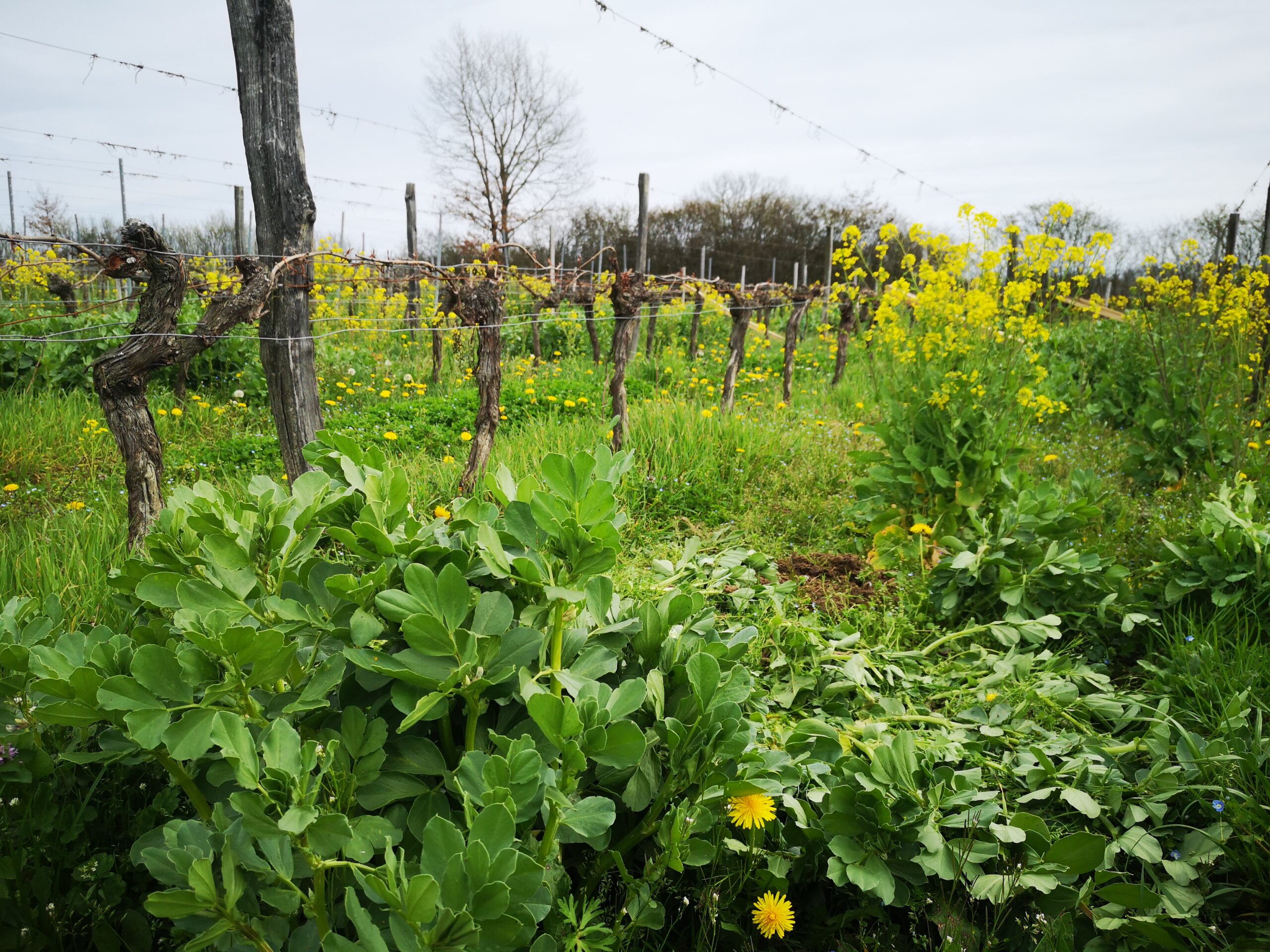
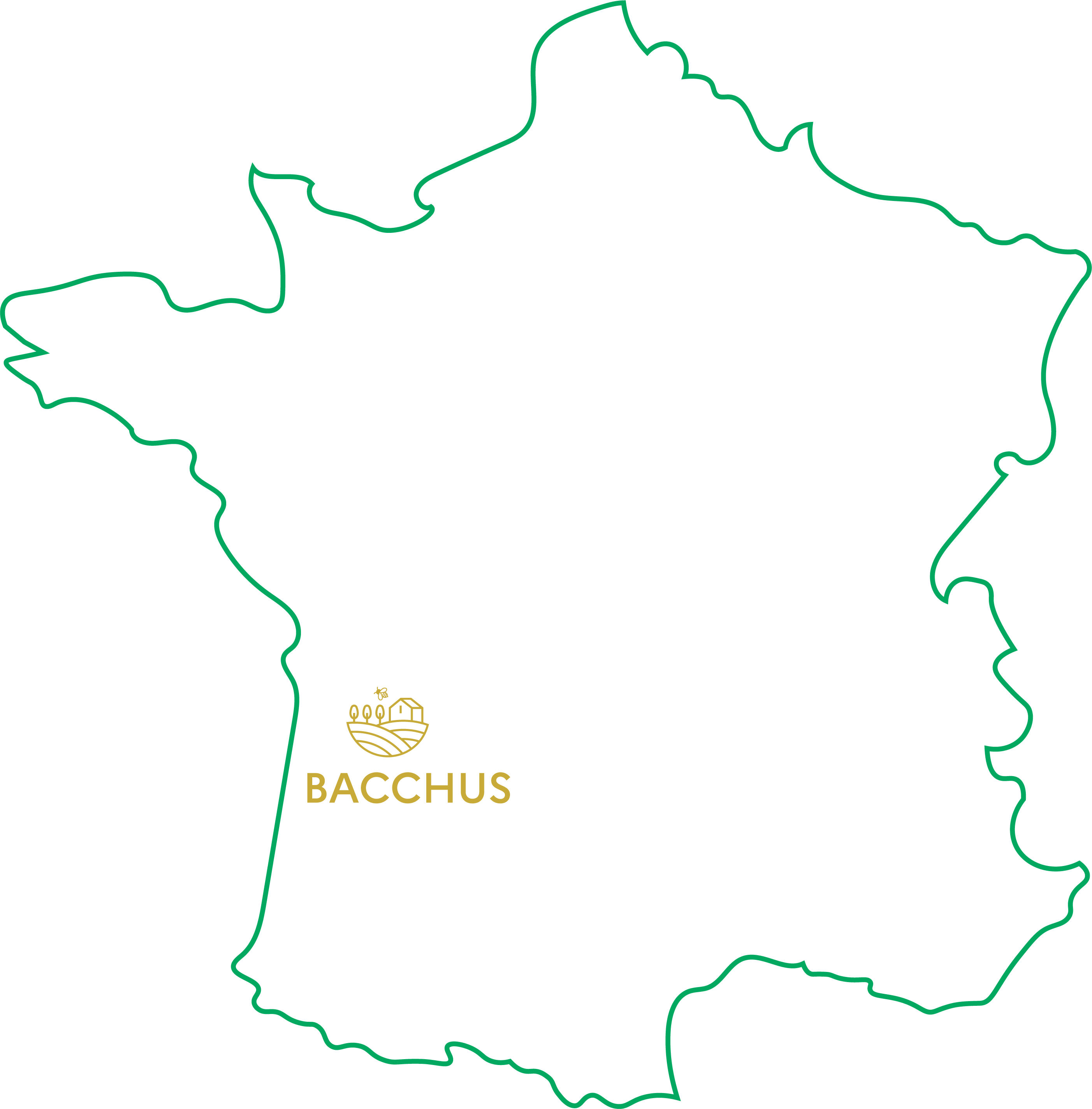
The Bacchus Living Lab is studying Nature-based Solutions (NbS) applied to wine-growing regions near Bordeaux, ranging from highly intensive areas dominated by vineyards to highly diverse landscapes that are home to a large number of semi-natural habitats and low-intensity farming practices.
Topics covered by Bacchus
- Implementation of agroecological practices
- Conciliation of biodiversity conservation and agricultural production in wine-growing regions
- Minimizing environmental impacts
- Conservation of biodiversity and the services provided by biodiversity
- Increasing the multifunctionality of vineyard landscapes
- Designing vineyard landscapes adapted to global changes
Priority scientific questions
The Bacchus Living Lab’s activities are structured around five key questions that will be addressed and followed up with a series of actions:
- How do NbS – which rely on vegetation diversification and/or limiting pesticide use – affect biodiversity and various ecosystem services at all scales, from the field to the landscape, in vineyards?
- Can NbS limite pesticide use in vineyard landscapes and mitigate the negative effects of climate change on vineyard functioning?
- To what extent can NbS mitigate the negative impacts of viticulture on the health of socio-ecosystems and enhance their resilience to global changes?
- What are the benefits and costs of NbS for winegrowers and other local stakeholders in general?
- Are there any NbS deployment scenarios that promote synergies among multiple ecosystem services?
Living Lab activities
The Bacchus Living Lab focuses its activities on four main areas:
- Assess how NbS affect trophic interactions and ecosystem service bundles in vineyard landscapes
- Assess the costs and benefits of NbS and identify the socioeconomic barriers as well as the drivers for the deployment of NbS in these socio-ecosystems
- Assess stakeholder demand for ecosystem services and co-develop various scenarios for the deployment of NbS with stakeholders
- Examine the implications of various landscaping scenarios to meet multiple objectives in this area and enable the implementation of economically, socially, and environmentally sustainable wine-growing systems
Academic partners




Research units
BPH Epicene – Épidémiologie des cancers et expositions environnementales
BSE – Bordeaux Sciences Économiques
EGFV – Écophysiologie et Génomique Fonctionnelle de la Vigne
EPOC – Environnements et Paléo-environnements Océaniques et Continentaux
ETTIS – Environnement, Territoires en Transition, Infrastructures, Sociétés
SAVE – Santé et agroécologie du vignoble
Societal partners



The Bacchus Living Lab identity sheet (FR)
Living Lab coordinator
Adrien Rusch, Agroecologist at INRAE