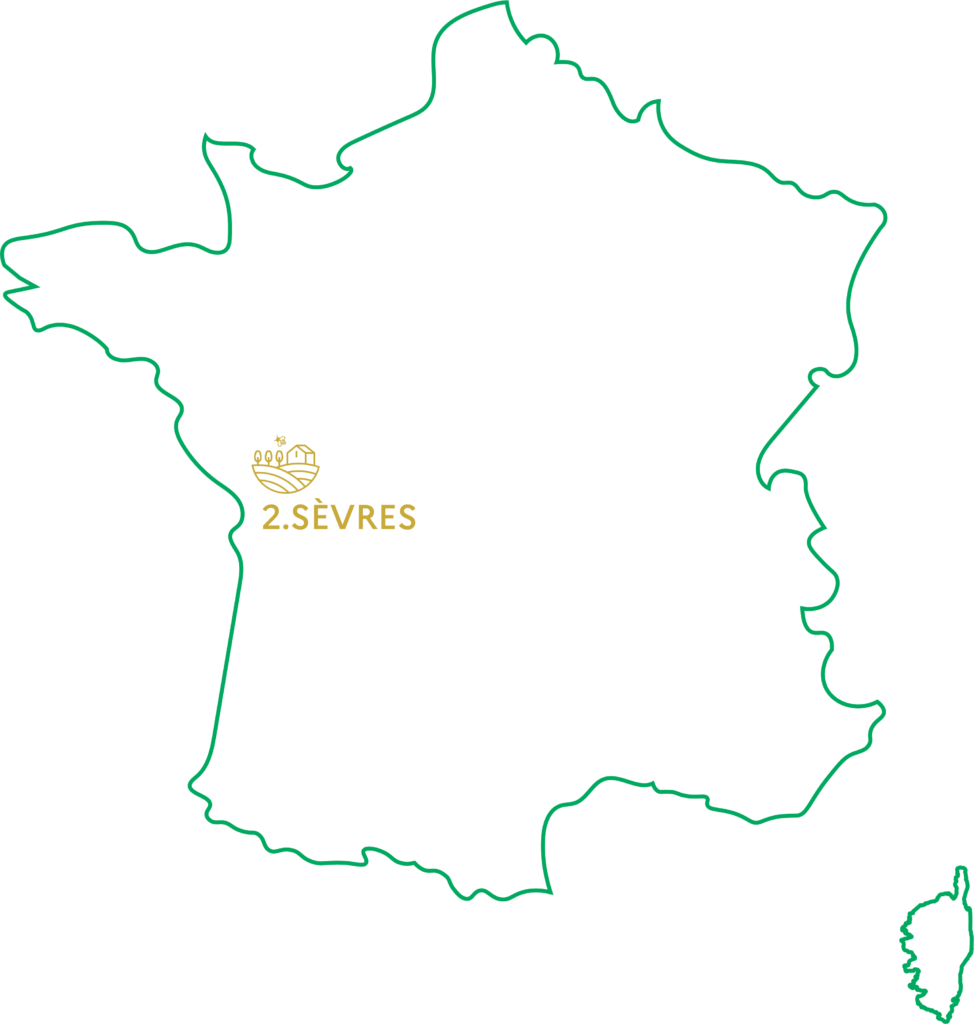
2.Sèvres
living lab
Living lab 2.Sèvres
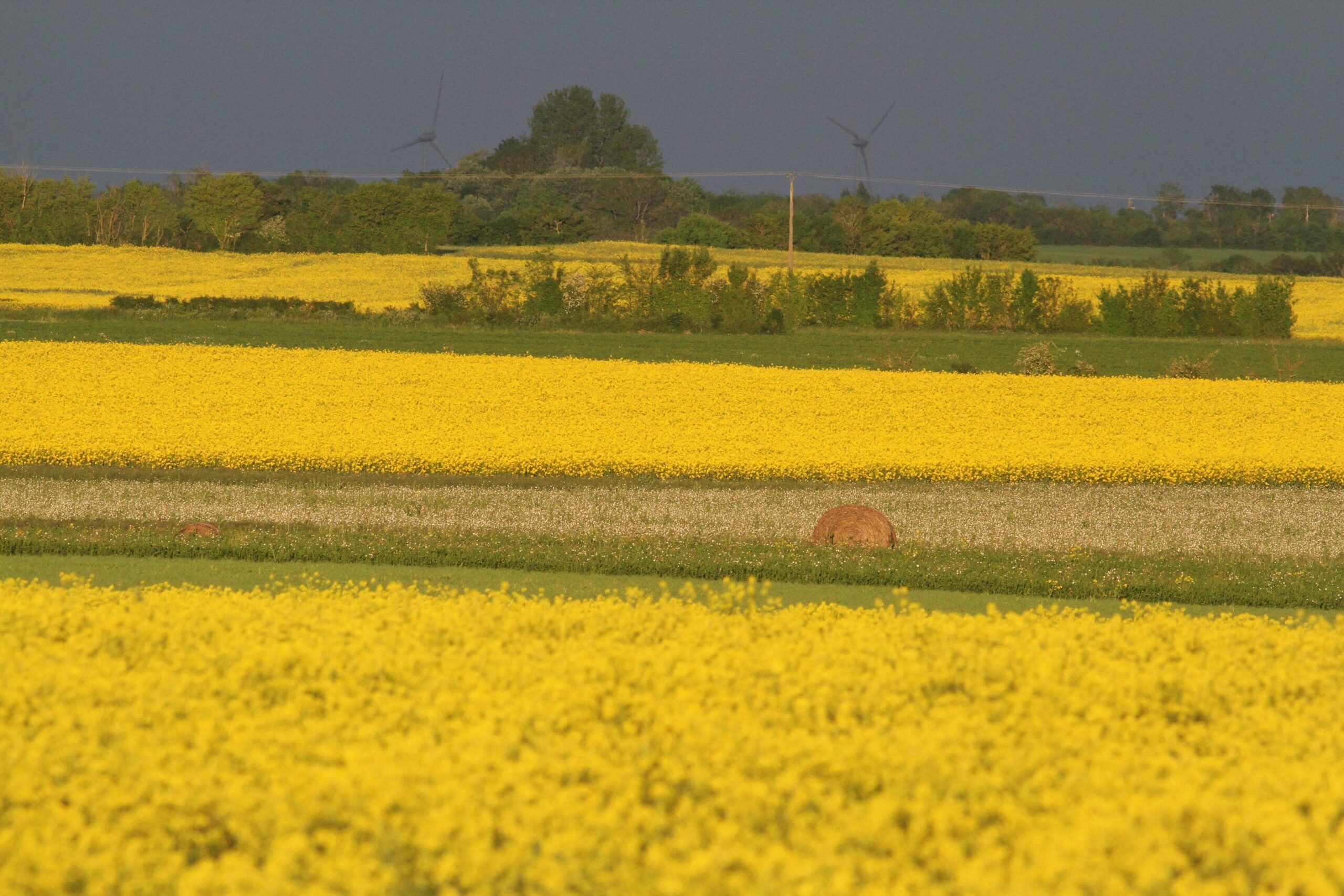
Living Lab 2.Sèvres explores Nature-based Solutions (NbS) applied to areas dedicated to intensive agriculture, within a territory characterized by intensive cereal farming that includes villages and a NATURA 2000 site.
Topics covered by 2.Sèvres
- Reduction of the human ecological footprint
- Relocalization of agri-food systems
- Conservation of biodiversity
- Increase and guarantee of the well-being of habitants and economic actors, as well as the health of the territory
Priority scientific questions
The activity of Living Lab 2.Sèvres is structured around three main axes, which will be addressed and monitored through several actions:
- Long-term monitoring of biodiversity taxa that ensure essential ecological functions for the production of food and animal feed.
- Experimental testing of Nature-based Solutions (NbS) – in collaboration with farmers and beekeepers -to reduce the environmental footprint of agriculture and beekeeping, halt biodiversity loss, and improve human health.
- Exploration of NbS through which the landscape and local management interact to shape biodiversity and ecological functions, aiming to reduce exposure to pesticides and/or pathogens.
Living Lab activities
Living Lab 2.Sèvres organizes its work around five main topics:
- Studies of synergies and trade-offs in the delivery of multiple ecosystem services at different temporal and spatial scales
- Analyses of farmers’ decision-making processes to identify how and which Nature-based Solutions (NbS) serve as effective tools and strategies for sustainable transformation
- Experimental collective actions, conducted with beekeepers and farmers, aimed at improving pollination and halting pollinator decline.
- Analyses with residents, during the implementation of NbS, on how individual and collective design processes, as well as awareness-raising, contribute to the relocalization of the agri-food system
- Design, in collaboration with residents and stakeholders of the living lab, of health and well-being indicators to assess the impact of NbS
Academic partners



Research units
BIOGER – Biology and Management of Risks in Agriculture
BIOGER – Biology and Management of Risks in Agriculture
CEBC – Chizé Centre for Biological Studies
MAIAGE – Mathematics and Computer Science Applied from Genome to Environment
MEDIALAB – Research Laboratory on the Relationships between Digital Technology and Society
MIAT – Mathematics and Computer Science Applied in Toulouse
Societal partners





Living Lab 2.Sèvres Identity Sheet (FR)
Living Lab coordinators
Sabrina Gaba, Ecologist at INRAE
Vincent Bretagnolle, Ecologist at CNRS